
Share This Gerry Dawes's Spain Post


Instagram

In 2026, ranked #7 in the Top 30 Gastronomy Blogs (and Websites for Gastronomists & Gastronomes by Feedspot. (Ranked in the top 50 since 2019). "The Best Gastronomy blogs selected from thousands of Food blogs, Culture blogs and Food Science. We’ve carefully selected these websites because they are actively working to educate, inspire, and empower their readers with . . . high-quality information.

More than 3,640,000 views since inception, 123,000+ views in August 2026.


Ranked #7. Gerry Dawes's Spain: An Insider's Guide to Spanish Food, Wine, Culture and Travel gerrydawesspain.com

"My good friend Gerry Dawes, the unbridled Spanish food and wine enthusiast cum expert whose writing, photography, and countless crisscrossings of the peninsula have done the most to introduce Americans—and especially American food professionals—to my country's culinary life. . .” - - Chef-restaurateur-humanitarian José Andrés, Nobel Peace Prize Nominee and Oscar Presenter 2019; Chef-partner of Mercado Little Spain at Hudson Yards, New York 2019

Showing posts with label Priorat. Show all posts

9/18/2026

Remembering The Great Donn Pohren: His Passing & His Significance "Embedded in me like a memory chip is the spirit of Donn Pohren and his book Adventures in Taste: The Wines and Folk Food of Spain."


* * * * *

Madrid, Spain - American writer and well-known Flamencologist Donn Pohren died in Las Rozas [a Madrid suburb] on November 5, 2007. His wife, Luisa Maravillas provided a brief statement: "I regret to inform you all that Donn passed away the 5th of November, during the night. Sometime in the near future I intend to organize a gathering of friends and aficionados in Las Rozas."  - - Contributed by: WMC_News_Dept.  11/07/2007 08:35AM

Donn Pohren was regarded as one of the leading experts in Flamenco in the English language and wrote several influential books about the subject. "Donn Pohren's book was the first thing I bought when arriving in Andalucía, before I even knew how much my life would be involved with and changed by flamenco. It helped me understand a lot that was to come," says British expatriate Kate Edbrooke, who runs a recording studio in Granada and has produced several Flamenco recordings by local artistsPohren wrote several books on Flamenco, including The Art of Flamenco, Lives and Legends of Flamenco and A Way of Life.  He and his wife Luisa ran the Society for Spanish Studies, first out of Morón de la Frontera and later from Rozas outside of Madrid.


Que descansa en una juerga de “pura ma're” with a copita in front of him
and Diego del Gastor playing alongside him.

* * * * *
The Significance of Flamencologist Donn Pohren
and His Impact on Spanish Wine & Food
 

Copyright by Gerry Dawes 2017. 

In 1972, Donn Pohren, a Minneapolis-born American who lived in Spain for decades and was the world's greatest foreign expert on flamenco, published his idiosyncratic underground classic, Adventures in Taste: The Wines and Folk Food of Spain. I was living in southern Spain when I first encountered Pohrens's book (privately printed in Spain) soon after it was published and it had a profound effect on me. In the early years, I never traveled without it. At first, I merely wanted to have some of the wine and food experiences that he had described. Soon, I was having new experiences of my own, experiences that would eventually lead to my becoming a widely published writer on Spanish wine and food and a recognized authority in the field.
  
Donn Pohren's Adventures in Taste: The Wines and Folk Food of Spain


Adventures in Taste, self-published by Pohren in 1972.


Pohren wandered around the Iberian Peninsula in the 1960s exploring the nooks and crannies of Spain's 4,000,000 acres of vineyard lands, the largest acreage of any country in the world. He would pop into a village bar, ask for a glass of the local vino, then casually ask who made the best wine in town. On many occasions, Pohren would soon find himself being offered several samples as one vintner after another vied to show this foreigner that his wine was the best in the village. In his book, Pohren described encounter after encounter with artisan winemakers who were making excellent wines, many of which were unknown to the outside world in those days.


Pohren's Map of the Wine Regions of North Central
 (He did not cover Galicia!)


However, many of the wines Pohren described were wines whose charm soon faded if anyone tried to transport them beyond the boundaries of their home region. The winemaking techniques were often primitive. In many places the grapes were still crushed by treading, then fermented in open stone or cement vats, and aged in less than meticulously cared for barrels. The result was a flawed wine, which often tasted good with the local food, but was simply not stable enough to "travel" and was not the stuff to thrill sophisticated wine connoisseurs. Still, Don Pohren swore by the inherent quality of many of these Spanish wines and he was right.

His experiences have always been in the back of my mind and have served me well on numerous occasions, such as an encounter on my first trip to then unknown Priorat in 1988. Firmly in Pohren's shoes, I entered an old-fashioned, untidy cellar, where I was given a flawed wine to taste, but the underlying base wine was clearly very good. I judged the prospects for this region to be so promising that I came back wrote the first major article about the potential of Priorat. Alvaro Palacios and crew arrived the next year and began to make history. Recently, in Ribeira Sacra, I have run into some flawed wines (less so every year), just as a did in Priorat nearly twenty years earlier. Tasting "underneath" the sometimes inexperienced wine making techniques, I found enormous potential. I know Donn would have as well.

What Pohren tasted in those wines while researching his book forty years ago was the materia prima (raw material; grapes, soil and climate), the exceptional juice from grapes which often came from old vines, whose average yield of wine per acre of vines was less than half that allowed by the best appellations of Burgundy and Bordeaux.  Even backward winemaking techniques couldn't keep the underlying quality from showing through; Pohren's Spanish wines were diamonds in the rough.

In the years since Donn Pohren wrote his book, exciting things have happened which promise an incredible future for both Spain's traditional wines and those of emerging wine regions. Spain's nearly four decades-old democracy has been the catalyst for a modern renaissance in fashion, art, literature, cinema, and gastronomy and it has ushered in a technological revolution in wine making as well. A key element in this was Spain's acceptance in 1992 as a member of the European Economic Community, the Common Market (now the European Union), which posed a special challenge to Spanish wine producers: compete on a quality level with the other wines of Europe or enter the over-saturated European wine "lake," and be lost in the crowd.

Fortunately, Spain opted for quality. Many forward looking people in the Spanish wine trade began to see Spain's entry into the European Union as both a new challenge and a new opportunity for their wines. These challenges and opportunities would require a reassessment of their positions in both the domestic and export markets, an upgrading of their winemaking technology, and consistent quality in their wines. Emile Peynaud, Alexis Lichine, and other consultants were brought in from France to advise winemakers in the Rioja, Ribera del Duero, and Rueda. The best enologists from Rioja, Penedes, and Navarra traveled to other regions share their expertise. Young Spanish winemakers trained in Bordeaux, Burgundy, and at the University of California - Davis. Miguel Torres Riera, the maestro of Catalan winemaking, and Jose Peñin, Spain's foremost wine authority, wrote important books about Spain's future in the wine world. New wine books, periodicals, and gourmet journals proliferated. Seminars, international wine symposiums, and wine competitions began to be conducted on a regular basis. And, importantly, wine clubs and societies were formed as an increasingly affluent and growing middle class in Spain began to appreciate the wines of its own country.

During the past several decades, investments in new wine making technology (especially in the area of fermentation control), better barrels (although accompanying by a lot of oak abuse!), experiments with new grape varietals, and the replanting of vineyards in some areas have begun to have a geometric effect on the overall quality level of Spanish wines. This progress in winemaking technique in Spain would not in itself account for such a dramatic effect–in fact, it is now often a detriment to authenticity--if it were not for the fact that Spain is a splendid natural vineyard endowed with many areas whose grape varietals have become perfectly acclimated over centuries to the micro-climate and soil in which they grow. 

All that was needed in many cases were winemakers dedicated to quality and the technology to achieve it. The grapes produced in the best wine areas of Spain–Rioja, Jerez, Cataluna, Ribera del Duero, Navarra, Rueda, and in many up and coming regions–have shown they are capable of producing wines which can stand alongside the best of France, Italy, and California. The Tempranillo of the Rioja and Ribera del Duero, for example, is coming to be recognized as a grape which can produce wines to rival those made from Cabernet Sauvignon, Merlot, or Pinot Noir.

The established, classic wine regions of Spain like Rioja and Jerez, while refining the techniques and polishing the skills which made them famous, also created exciting new areas of interest with small estates like Remelluri and Contino in Rioja and the emergence of such high-quality wines as the almacenista sherries of Emilio Lustau and the late harvest Navarra moscatels from Julián Chivite, Ochoa and Viña Aliaga. Other areas whose wines were once underground legends in Spain, like those described by Donn Pohren, but whose viticulture was based on tiny artisan producers and ill-equipped cooperatives, began to realize their potential for making great wines.

Ribera del Duero, home of Vega Sicilia, Pesquera, Mauro, and Viña Pedrosa; Navarra, the producer of perhaps the world's finest rosés; Priorato (Cataluna) and Toro (Castilla-Leon), whose rich, concentrated, blockbuster red wines have drawn international attention; Rueda, a surprising white wine region; and Rías Baixas, whose Albariños now count the U.S. as its most important export market, are just the most visible of the emerging wine regions capable of making first rate wine from native grapes. There are many more to come. 

Previously unknown regions–not many of which unknown to Donn Pohren–such as Bierzo, Ribeiro, Ribeira Sacra, Valdeorras and Monterrei, along with Jumilla and many others–have either jumped onto the world wine stage or are just in the wings awaiting their call to stardom. Producers like Miguel Torres in Penedes, Julián Chivite in Navarra, Carlos Falcó at Dominio de Valdepusa and Codorniu's Raimat estate, just to name a few examples, have achieved new heights with foreign varietals, though even the best examples often fall short of the intriguing, delicious, uniquely Spanish wines made from indigenous varieties–the kinds of wines that Donn Pohren loved.

Embedded in me like a memory chip is the spirit of Donn Pohren and his
Adventures in Taste.  Following his example, I still ferret out little known producers and drive many kilometers out-of-the-way just to eat a dish in a little-known regional restaurant and, like Don, look beyond rusticity (or fancy trappings in some places) to find the core of something that is undeniably wonderful and unique to Spain. Only adventurers and indefatigable travelers can do what Donn Pohren did. I can attest to how indefatigable and adventurous he was from averaging six trips a year to Spain (eight per year in the past five years).

Without Don Pohren’s book (and to a great degree, James A. Michener’s Iberia) I may have never caught the spirit of the Spanish road that has sustained me now for more than 50 years. For that I owe Donn a now un-redeemable debt of gratitude and so do people such as Steve Metzler, who built a great and exemplary Spanish wine importing company, Classical Wines, based on his Pohren-inspired wine travels. Because of Donn, Metzler was inspired to find not only Pesquera and make Alejandro Fernandez's wine world famous, he even met his wife, Almudena. Neither of us saw Don Pohren as much as we would have liked to over the years, but fortunately several years ago in Madrid, I had an opportunity to let Donn know just how much his work meant to me and to the many who carry Spain in their hearts.


Pohren visited my late former wife Diana and I for lunch at our house in Mijas (Málaga) in 1974.  
Donn autographed Adventures in Taste to us.


I will miss the fact that Donn is no longer with us in body, but he will never die in the spirits and hearts of those who followed his incredible Quixotesque passion for Spain, flamenco, Spanish wine and traditional food and all things Spanish. (Quixote may have been a dreamer, but not a madman; those windmills he was tilting at were brought from the low countries and represented the domination of the foreign House of Austria, a powerful, inquisition wielding force that crushed those who dissented like Don Quixote after his encounter with the windmill sails.)

Donn Pohren was a dreamer and he may have seemed like a madman when he lived his life like a candle in the wind during his awesome flamenco juerga years, but to me Donn Pohren was a profound inspiration and he always will be. 

Vaya con Dios, Don Donn. I will raise a copita to you often in my journeys. I can see the angels lining up now for a juerga--a Spanish wine, food and flamenco party--the likes of which even heaven hasn’t seen.

The End

Gerry Dawes©2026
gerrydawes@aol.com
 
* * * * * 
 
Comments are welcome and encouraged.
 
Text and photographs copyright by Gerry Dawes©2021.  Using photographs without crediting Gerry Dawes©2021 on Facebook.  Publication without my written permission is not authorized.

* * * * *
  Shall deeds of Caesar or Napoleon ring
More true than Don Quixote's vapouring?
Hath winged Pegasus more nobly trod
Than Rocinante stumbling up to God?
 
Poem by Archer M. Huntington inscribed under the Don Quixote on his horse Rocinante bas-relief sculpture by his wife, Anna Vaughn Hyatt Huntington,
in the courtyard of the Hispanic Society of America’s incredible museum at 613 W. 155th Street, New York City.
 _______________________________________________________________________________________________

 Gastronomy Blogs

In 2026, again ranked in the Top 50 Gastronomy Blogs and Websites for Gastronomists & Gastronomes in 2026 by Feedspot, now up to #7 . (Last Updated September 2026.) 

"The Best Gastronomy blogs selected from thousands of Food blogs, Culture blogs and Food Science blogs in our index using search and social metrics. We’ve carefully selected these websites because they are actively working to educate, inspire, and empower their readers with frequent updates and high-quality information."  

#7 Gerry Dawes's Spain: An Insider's Guide to Spanish Food, Wine, Culture and Travel


About Gerry Dawes

My good friend Gerry Dawes, the unbridled Spanish food and wine enthusiast cum expert whose writing, photography, and countless crisscrossings of the peninsula have done the most to introduce Americans—and especially American food professionals—to my country's culinary life." -- Chef-restaurateur-humanitarian José Andrés, Nobel Peace Prize Nominee and Oscar Presenter 2019
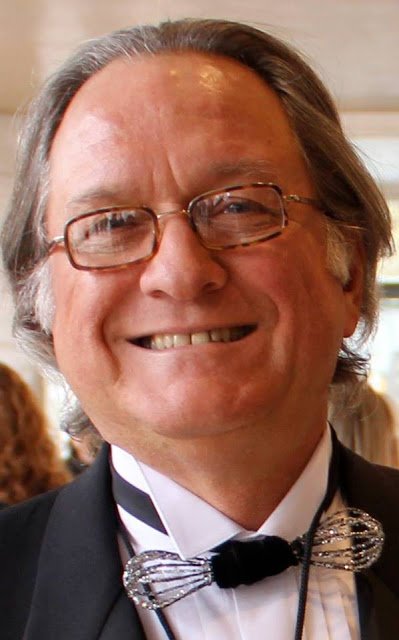

Gerry Dawes is the Producer and Program Host of Gerry Dawes & Friends, a weekly radio progam on Pawling Public Radio in Pawling, New York (streaming live and archived at www.pawlingpublicradio.org and at www.beatofthevalley.com.)

Dawes was awarded Spain's prestigious Premio Nacional de Gastronomía (National Gastronomy Award) in 2003. He writes and speaks frequently on Spanish wine and gastronomy and leads gastronomy, wine and cultural tours to Spain. He was a finalist for the 2001 James Beard Foundation's Journalism Award for Best Magazine Writing on Wine, won The Cava Institute's First Prize for Journalism for his article on cava in 2004, was awarded the CineGourLand “Cinéfilos y Gourmets” (Cinephiles & Gourmets) prize in 2009 in Getxo (Vizcaya) and received the 2009 Association of Food Journalists Second Prize for Best Food Feature in a Magazine for his Food Arts article, a retrospective piece about Catalan star chef, Ferran Adrià. 


". . .That we were the first to introduce American readers to Ferran Adrià in 1997 and have ever since continued to bring you a blow-by-blow narrative of Spain's riveting ferment is chiefly due to our Spanish correspondent, Gerry "Mr. Spain" Dawes, the messianic wine and food journalist raised in Southern Illinois and possessor of a self-accumulated doctorate in the Spanish table. Gerry once again brings us up to the very minute. . ." - - Michael & Ariane Batterberry, Editor-in-Chief/Publisher and Founding Editor/Publisher, Food Arts, October 2009. 
 
Pilot for a reality television series on wine, gastronomy, culture and travel in Spain.


3/15/2012

The Powerful New-Wave Catalan Wines of Old Roman Tarragona


* * * * *

Priorat, Montsant, Terra Alta, Conca de Barberà, Tarragona and Costers del Segre.


by Gerry Dawes
Premio Nacional de Gastronómía 2003
(Spanish National Gastronomy Award)

Not since the six-century Roman occupation of Spain (until the early 5th Century) when Pliny the Elder praised the wines of Tarraconensis, have the wines from Spain’s Tarragona province–the Priorat, Montsant, Terra Alta, Conca de Barberà, a small piece of Costers de Segre and the eponymous Tarragona denominaciónes de origen, or D.O.s–been so highly rated as they are today. Until the recent explosive debut of Priorat wines on the international wine scene, Tarragona, located in Cataluña, about two hours southwest of Barcelona, was best known for its Roman ruins, for romesco (a superb, addictive sauce made with olive oil, garlic, dried peppers, tomatoes and hazelnuts or almonds), and as the birthplace (in Reus) of modernista architect Antoní Guadí.

American wine guru Robert M. Parker, Jr., a considerably more powerful wine writer than Pliny, once predicted that Tarragona’s major D.O. Priorat (Priorato in Spanish) would surpass La Rioja and Ribera del Duero as the top wine region in Spain. However, due to its small size and the geographical limits of Priorat’s licorella, or slate, soil, which accounts for its famous terruño (terroir), coupled with Mr. Parker’s never having stepped foot in Spain as a wine writer in his entire career (until October 2009, when he was paid a reported 100,000 Euros to speak at a wine conference), we seriously questioned that prediction as we have many of his pronunciamentos on Spain. Priorat has just 4000 acres of registered vineyards and its boundaries are now surrounded like a crescent by the new Montsant DO, a division that is partially defined by Montsant’s soils, which have much less slate in their composition. Rioja, by contrast has more than 150,000 acres of vineyards, which, if you count only 10%, or 15,000 acres (a low estimate) as producing top quality wine rated at 90+ points and above, is still nearly four times what Priorat is capable of producing and that’s if all the wine in Priorat had a 90+ point rating, which it does not.

Nevertheless, Robert Parker’s high opinion of the region gives an idea of the esteem in which the wines are held and Christopher Canaan, a man with one of the most experienced and sophisticated palates in Europe and President of Bordeaux-based Europvin--which has one of the top portfolios of Spanish wines (Vega Sicilia, Rioja Alta, Lustau sherries, etc.) and has taken up a significant position in both Priorat and Montsant-- is sold on the area. Canaan, who owns several brands in Priorat and Monstant, concurs with Parker’s assessment of Priorat’s quality, “Indeed, I think that Priorat already ranks with the great wine regions of the Mediterranean.” (It is important to note that the climates of the top Spanish wine regions of La Rioja, Ribera del Duero, Toro, Rias Baixas, Rueda, and Bierzo are primarly influenced by the Atlantic Ocean, not the Mediterranean, and often achieve natural balances of fruit, acid and alcohol seldom seen in warm-country wines such as those of Tarragona.)

This writer, who has made ten trips to the Tarragona region in recent years, also believes that Priorat in particular has the potential to produce some of the greatest wines of the entire Mediterranean, which includes such classic wines as those of the Rhone Valley and all the wines of Italy including Barolo, Barbaresco and the wines of Tuscany. Priorat’s exceptional promise is due to the quality of its indigenous garnacha and cariñena grapes growing on steep slopes; the terroir imparted by the region’s licorella, or slate-strewn vineyards; the maturation of foreign varietals (cabernet sauvignon, merlot and syrah) vineyards planted more than a decade ago; a climate that has warm days, but considerably cooler nights during the growing season.

Tarragona was a major Roman colony and the capital city from which the province takes its name is filled with Roman ruins, including a seaside amphitheatre. The Romans–and prior to them, the Greeks–made wine here, but the “modern” winemaking history of the region dates to the 12th-Century and the Carthusian monastery, or priory (priorat in Catalan), from which the Priorat region takes its name. The Scala Dei (Ladder to God) winery, which is still producing wine in Priorat on the grounds of the ruined, once magnificent monastery, was founded in 1973 and for nearly two decades, its rustic, but palatable, wines were the region’s only name known to outside world.

Now because of Tarragona province’s dark, powerful, oak-lashed, new-wave wines from old vines vineyards, international attention is being drawn to this once-slumbering backcountry region. In fact, Priorat and the relatively new Montsant D.O.s (created in 2002)–two of Tarragona province’s wine regions–are now among the sexiest Spanish wines on the market. For the past several years, numerous Spanish and American wine writers have been gushing deep purple-black, gobs of fruit-infused prose about the blockbuster wines of both Priorat and now Montsant (DO). (Can news of the emerging wines from the vast vineyards of the highlands of Terra Alta, a rain-starved D. O. of Tarragona province once known primarily for producing fat, low-acid white garnacha blanca-based wines, be far behind?)

The more slavish admirers of these big, concentrated Tarragona-area wines (some of which can be quite good, with reservations) seem to be particularly in tune to wines with opaque blackberry color, very ripe fruit, high alcohol and loads of new French oak. And many of the somewhat hyperbolic claims that have been made lately about these sometimes massive wines (though they are usually not quite as powerful as many California wines these days) seem designed to inflame the passions of European and American nuevo eno-rico types for whom every newly discovered wine region that emerges—with its attendant new-wave super-hero winemakers—is akin to the second coming. In reality, though some of the wines from Tarragona’s D.O.s do suffer from low-acid, high alcohol and overripe fruit, deficiences often exacerabated by inexperienced wine making, others are starting to come into their own as the more experienced winemakers, especially in Priorat and to some degree in Montsant (often the same winemakers), come of age. There are also flashes of promise in Terra Alta and a few glimmers in the wines of the Tarragona D.O.

What has happened in just 20 years in Tarragona province, especially in Priorat, is nothing short of mind-boggling. The Spanish wine world has been turned upside down in an upheaval every bit as cataclysmic in scale as the ancient geological events that created Priorat’s dramatically beautiful landscape. In its massive, ripe, high-alcohol, and terroir-driven wines a talented collection of winemakers found nirvana in an age when power, extraction and new oak were beginning to prized above all. In Priorat, some stunning wines are made from native garnacha (and small-berry garnacha peluda) and cariñena, often blended with varying percentages of cabernet sauvignon, merlot and syrah. Priorat wines have the power (a problem sometimes) and the glory (the incredible garnacha and cariñena old vineyards fruit and superb licorella terroir).

Some Priorat wines need more finesse and elegance and, when winemakers tone down the new oak, these wines are among the greatest in Europe. Such wines as the originals–Clos Mogador, Clos Dofì, Clos de L’Obac and Clos Martinet (sorry I can’t get on board with Clos Erasmus, a sweet, voluptuous, 16% alcohol, Cherry Cola on steroids)–have been consistently rated among the top Spanish wines for years. Now they are joined by such superb wines as Vall Llach, Cims de Porrera, Mas Doix, Torres Perpetual, Lo Givot, Martinet Degustación and the new Ferrer Bobet.

“I do not know of any other district that has come from near oblivion to world wide recognition in such a short time,” Christopher Canaan says, “Immense progress has been made in the Tarragona area, especially in Priorat and Montsant, over the past 15 years.”

The surge in the quality of these region’s wines has been building, since a gang of five fledgling producers–René Barbier Meyer, Carles Pastrana, Josep Lluis Perez, Daphne Glorian and Álvaro Palacios–descended upon Priorat in 1989 to make wine together. Canaan says, “The reasons are multiple: The quality revolution led by the winess of the “new wave” Priorat winemakers; recognition by the press of progress being made thanks to a concerted commercial effort by such producers as René Barbier Meyer and Álvaro Palacios; the establishment of the Montsant D.O., from what was originally the Tarragona-Falset subzone; and the world thirst for red wines in particular, especially those of a Mediterranean style that are approachable when young, but also have power and concentration.”

In 1988, when I first visited the wines regions of Tarragona and, in an article that year, singled out Priorato has a region to watch, there were just several cooperatives making primarily bulk wines for blending; Scala Dei; and Masia Barril, which was owned by affable, extremely garrulous Madrid bureaucrat, who brought his old-vine grapes in by burros and whose idea of temperature control was to circulate the wine through a plastic hose submerged in a pool of water next to his rustic winery.

On that trip, I also visited Celler Cecilio, a small winery in Gratallops, one of the main towns of the Priorat, which actually dates to 1954 as a denominacion of origen. The owner, August Vicent i Robert, didn’t bottle his wines at that time, he sold them in bulk to locals out of a picturesque, but extremely rustic and somewhat unkempt cellar in a stone building in the center of the village. The wines were flawed by poor winemaking techniques and were aging in barrels that were less than optimum, to put it charitably. However, in spite of their flaws, the wines of Celler Cecilio were an ephiphany: It was clearly evident that the base wine from these old oak vats and barrels was extraordinary. After my trip to Priorato, I wrote that if anyone who really knew how to make wine ever showed up there, the world would be astounded by the results.

In 1989, the following year, those five gifted winemakers did show up in Gratallops, the most important wine village in the region. Álvaro Palacios, from an old Rioja Baja winemaking family, Palacios Remondo, and now the super star winemaker of L’Ermita fame, came to join René Barbier Meyer (Clos Mogador), Josep Lluís Pérez (Mas Martinet), Carles Pastrana (Clos de L’Obac) and Daphne Glorian (Clos Erasmus). Barbier, who could well be called the godfather of modern Priorat because of the profound influence on the winemaking style there (and in Montsant), had family roots in the Rhône Valley, was related to the original Rene Barbier of Penedès (but has no connection to the winery now owned by Freixenet) and was a former employee of the Palacios winery in La Rioja. Though distinctive, Barbier claims his style is not about making “vinos de autor,” or winemaker signature wines, but “vinos de terroir,” wines characterized by their site specificity and prominent mineral flavors.

Barbier and Palacios formed a cooperative team–which by 1992 had split apart–with Josep Lluís Pérez, who, since 1981 had been director of enological school in Falset and is now one of the most respected enologists and viticulturists of Cataluña; Carles Pastana, until recently was mayor of Gratallops and his wife, Mariona Jarque, founders of Clos de L’Obac; and Daphne Glorian, a French-born, Swiss woman with a sophisticated, commercially-tuned palate that seems to be in nearly perfect pitch with that of Robert Parker, Jr. (Glorian’s Clos Erasmus is the only Spanish wine that he rated 99 points twice; it has since been rated 100 points). Several years ago, Glorian married Eric Solomon, her American importer and the jefe behind European Wine Cellars. They imported the wines from several properties in Priorat and Montsant, many of which are made primarily to their specifications for the American market (posts on the internet have labelled such wines from Spain and elsewhere, the “Ugly American cuvées”. (Among all the important importers of wines from the Tarragona D.O., European Wine Cellars were only ones to deny us samples for this report.)

In Priorat, with its tradition of producing big, ripe, high-alcohol, and terroir-driven wines, this talented collection of winemakers found nirvana in an age when power, extraction and new oak were beginning to prized above all, especially in an era of rapidly proliferating blind-tasting magazine panels and wine tasting clubs. However, in the beginning, as Pérez relates it, “From 1989 until 1993, we were all making our wines in the same facility and striving to make Bordeaux-styled wines. It was René Barbier, who finally articulated the philosophy that is the basis for the modern wines of Priorat. He pointed out that we had to leave the grapes to ripen to full maturity. And we thought we should be trying to make wines primarily with foreign varietals, but it was the native garnacha and cariñena that have proven to be the foundation for the greatest wines of the region. We rediscovered the old vines native varieties, which were planted on steep hillsides and we learned to use the foreign varieties–cabernet sauvignon, merlot and syrah–to give our wines the structure to allow them to age in bottle.”

The statements by Pérez are illustrative of the ongoing evolution of the wines of Priorat by the top producers. This was echoed in an e-mail to me by the editorial team of Juan Such, Iñaki Blasco, José Contreras and Paco Higón at Verema.com, which has become one of the most visited wine websites on the Internet, “The wines of the most renowned bodegas of the Priorat, the ones that began with the modern epoch in the 1990s–Clos Mogador, Álvaro Palacios L’Ermita and Finca Dofí, Clos de L’Obac, Clos Martinet and Clos Erasmus–are all now undergoing a change in their winemaking philosophy and in winemaking techniques, searching, perhaps, for a greater balance between power and elegance. Predicting what will happen in the next 15 years in this region would just be guessing, but it is easy to pronosticate that the aforementioned wines will undergo a process of evolution, because none of the wineries in question are content to remain static. Álvaro Palacios, for example, is looking for more elegance and refinement in his wines and may create a style of winemaking that will be imitated by other wineries. ”

Though some of the wines of Priorat show excellent promise and some, at least, for lovers of big, terroir-laden wines are superb examples of the genre, veteran wine aficionados are supposed to suspend belief, accept every one of these new miracles of modern winemaking as gospel, and ignore the fact that many of these wines are experiments made by fledgling winemakers often being advised by itinerant wine consultants or coached by their importers (the most egregious kibbitzers being Americans). Not only are many of the wine works-in-progress, many are specifically tailored for the faddish tastes of top-end Spanish and American consumers and the prices are sometimes truly eye-popping. The quality of Álvaro Palacios L’Ermita (at $495 and up), Clos Erasmus ($200), and Dolç de L’Obac Late Harvest (500 ml., $110), coupled with stratospheric reviews from major wine newsletter can at least justify their retail prices to some degree, but many lesser lights are on the market are priced at $50-$100 retail, which makes them even more over-priced on restaurant wine lists. A Madrid wine retailer told me that “too many newbies are trying to sell very ordinary stuff at very high prices indeed” and complained that the sales of these high end wines have slowed dramatically in the Spanish market.

There is also the tendency by some producers to barrel-ferment overripe grapes in new oak barrels (standing upright and open), leave the wines on the lees, which they stir periodically (battonage), and then bottle the wines unfined and unfiltered. The bête noir of these truly noir wines (called vis negres en Catalan, black wines) is the alcohol levels, which usually top 14%, but are often tilting towards 15% (the minimum allowable for the Montsant DO is 13.5%!, not wines for sharing with your significant other on a weeknight unless he is a tackle for the Chicago Bears!)

Easier to cure is the lamentable use of far too high percentages of new French oak (if, indeed the oak comes from France and not from Romania, Bulgaria or Russia), which, in many wines, tends to obliterate the splendid mineral terroir of this region and leave the drinker’s tongue feeling like it has been dragged through a sawmill. Still many winemakers proudly proclaim that, “Si, utilizamos 100% roble nuevo frances.” Allier is the current preference and far too many producers seem to consider wood as important as the grape variety in their wines. It is a shame that many of these wines get such formulaic treatment. Ironically a number of them come from some of the world’s greatest single vineyard sites and have enormous potential.

Many of the wines from Priorat and Montsant are made from superb, legitimate old vines vineyards that grow in exceptional sites rich in the minerals that supply the terroir component that was previously missing in most Spanish wines until recently. Many producers are quick to proclaim the glories of their privileged vineyard sites, then they proceed to smother their wonderful mineral terroir flavors with impenetrable layers of harsh new oak, which oftens falls like a heavy curtain at mid-palate, effectively masking the wine’s aftertaste. But, there are encouraging indications that some winemakers (and wine lovers) are getting fed up with new oak abuse. The Verema.com team reported to me that many winemakers are rethinking the use of new oak, especially with invasive levels of toast and that they are noticing a moderation in the taste of oak by some of the veteran winemakers. Álvaro Palacios claims to be diminishing the use of new oak with each passing year (during one period, he was a barrel salesman). And even a younger winemakers like Diego Durán, who worked at Cims de Porrera with the Pérez Ovejero family of Mas Martinet fame, confessed to me at the Tarragona Garnacha Conference a few years ago that he too was getting sick of new oak.

In spite of the tendency towards over-zealous and often inexperienced winemaking in many wineries, there are still plenty of notably good wines from Priorat (and a couple from Montsant), the best of which show a deep, pretty black raspberry color; exhibit sweet, ripe blackberry, black cherry and black currant flavors from old vines garnacha and/or cariñena grapes; are laced with tarry licorice and Valrhona bitter-chocolate flavors: and, especially in Priorat, have a graphite-like mineral presence that comes from vineyards strewn with shards of slate (licorella in Catalan; pizarra in Spanish). The best of these wines have lingering, hauntingly exotic finishes. But, as noted, not every winemaker who handles this precious stuff is good at it and, in the bargain, many potentially very good wines are being sacrificied on the high altar of crass commercialism.

The most important thing to understand about the majority of the wines of Priorat is that they need time, so wine lovers should be looking for any remaining Priorat wines (and there will be plenty at these prices) from earlier vintages, which now have enough time in bottle to soften up to some degree, but will benefit even more with several more years in bottle, when there flavors will be more integrated, the new oak less a factor. The proof of the pudding is in such wines as De Muller’s excellent Lo Cabaló Reserva and some of the wines of Rottlan Torra, which like Rioja reservas and gran reservas, are aged for several years at the bodega, which polishes the wines, rounding them out and ameliorating the effects of new oak. These Priorat wines are delicious and many of the top wines will be also be far more rewarding with a few years in a proper cellar.

In Priorat, the hillsides are often precipitously steep, so most are terraced (some terraces date to the Roman occupation) and covered with shards or even finer pieces of licorella slate, which are scattered across the landscape like the broken remnants of a primeval world. This organically poor, well-drained land can impart haunting, persistent mineral flavors to the wines. Some of the native garnacha negra, garnacha peluda and cariñena growing in some of these non-irrigated vineyards dates back a century and 50-60 year old vines are common. Just over a decade ago, planting the foreign varities cabernet sauvignon, merlot and syrah was the prevailing wisdom, which partly owed a debt to Spain’s national post-Franc inferiority complex, which reasoned that anything foreign and new must be superior to home-grown progeny. Now, it is widely recognized that garnacha and carinéna, both native Spanish grapes, may have found their apogee in the province of Tarragona. (The Slow Food-sponsored III International Conference on Garnacha was held in Tarragona in April, 2003). Although tempranillo (and a tiny bit of pinot noir) exist in Priorat, even the tempranillo is a newcomer and not even listed among authorized varieties for the Priorat D.O. A little white wine is also made in Priorat, mostly from garnacha blanca.

Priorat, which dates to 1954 as a DO, now has some 50 registered bodegas and 4,000 acres under vine, but new plantings and new wineries can be seen all around the region, so, as this area gains in popularity, expect the dept of flavor and sense of terroir to be diluted as many new vineyards, often watered by drip irrigation, begin to produce grapes. The maximum allowable yields by Priorat DO rules are 6,000 kilos of grapes per hectare, but with the best producers yields per vine are often as low as one-to-two kilograms due to sparse-producing old vines. The soils are largely composed of grayish-brown licorella slate, which is poor in organic
material, high in acids, and offers excellent drainage. Rainfall averages 600mm per year in Priorat, which is almost as much rainfall as La Rioja gets, but summers are dry and hot, though nights are often quite cool. Temperatures can fluctuate from 110 degrees in the daytime to 50 degrees at night (Napa Valley, anyone?)

Less than two decades ago, the Tarragona D.O. still had a dubious reputation for producing monster vinos de pasta (some of which reached 18% naturally due to some tough acclimatized native yeasts). These wines were sold in bulk for blending with weaker table wines from more northerly climes. The region also produced some sweet, rustic, but sometimes very exotic and delicious rancio wines, some of which are still made here, along with some exceptional vis dolçs, sweet reds reminscent of Banyuls. The top producer, De Muller, reportedly the largest producer of communion wines for the Catholic church (they actually market a wine called vino de misa, mass wine) and still the only bodega of serious noteis producing some very good, very interesting wines, including a very pleasant, well-made, balanced Cabernet Sauvignon 2000 and a Merlot 2000 in the Tarragona D.O.

From the Terra Alta D.O., De Muller also produces a fine old-style Moscatel Añejo vino de licor, a type of wine made by spiking the must of a very sweet, ripe grapes with grape spirits to stop any fermentation. This wine is especially unusual because it is aged like old sherry. The color is like a light oloroso, but the nose and flavor are of honeysuckle, oranges and cloves. And from Priorat, De Muller also makes a stunning, silky, complex, delicious vino rancio dulce, Dom Berenguer Solera 1918 and two dry red table wines that show the benefits of aging Priorat wines before they are released. The aptly named De Muller Legitim Priorat 1998, a blend of garnacha, cariñena and cabernet sauvignon that weighs in at only 13.5% alcohol (the minimum allowed) and is aged in American oak is a sweet, fruity, balanced delicious old school wine. De Muller Lo Cabaló Reserva 1997, a blend of garnacha tinta, cariñena, merlot and syrah that spends 15 months in new French oak, but is aged at the bodega and then released. Both the 1997 and the 1996, tasted and drunk more than two years apart, were wonderfully complex, exotic, delicious and showed sweet fruit and beautifully integrated oak. Both scored above 90 points (see review under Priorat).

Constituted as a D.O. in 1972, Terra Alta has nearly 23,000 acres of vines, but the region is dominated by cooperatives (many of which date to the 1960s) and family wineries, a couple of which date to the 1920s and beyond. Until recently, these wineries were dedicated to producing vinos generosos (fortified wines), vermouth and heady bulk wines, mostly white wines made from garnacha blanca, for blending. Terra Alta is slowly changing because the family bodegas and a few of the cooperatives are increasingly opting for quality wine production with bottled table wines made from blends of garnacha blanca and viognier, for example, and reds made with garnacha, cariñena, a local grape called morenito, and newer plantings of cabernet sauvignon, merlot and syrah. 

A winery beginning to make a niche for itself in this emerging highland region (1300 feet above sea level) is Bàrbara Forés in Gandesa with their very good Garnacha- and Syrah-based Coma d’en Pou red and a fine Garnacha Blanca and Viognier white, El Quintà de Bàrbara Forés. Celler Vinos Pinol (L’Avi Arrufi, Mather Teresina Selección) in Batea is generally making better whites than reds. Vinyes i Celler Clúa, with the flabby Vindemia and Mas d’en Pol Garnacha Blanca whites and sweet, ripe oaky Mas d’en Pol and Mil-lennium garnatxa, cabernet sauvignon and syrah blends, have been highly rated, but did not show well in recent tastings. Altavins Viticultures (Almodí, Tempus), La Germandat (Faristol, Fill de Temps), Villalba dels Arcs (the highly regarded Vall de Berrús blend of garnacha, cariñena and cabernet sauvignon); and Cooperativa Agrícola La Batea (L’Aube Viñas Viejas) show promise.

The newly minted Montsant denominación de origen curves around Priorat like a croissant. Until it was anointed as a DO in 2001, Montsant was a part of the much larger Tarragona DO and its epicenter was Falset. Much of the wines were sold in bulk, but bottled wines were sold under the Tarragona-Falset subzone classification. Enterprising winemakers from Priorat, including René Barbier and his partner, Christopher Canaan (Laurona); Daphne Glorian and Eric Solomon (the cooperative Celler de Capçanes and Cellers Capafons-Osso); and Sara Perez (Orbita Venus “La Universal”) have branched out into Montsant, joining such family bodegas as the high quality-oriented Joan D’Anguera in Darmós, a few important quality oriented cooperatives—at Marça, Masroig and Els Guiamets—and other new operations such as the new Grupo Galiciano Clos de Codols project (guided by Joan Milá, a veteran "flying enologist" based in Penedès) in raising the quality bar for wines from this region.

Juan Such of Verema.com sees the wines of Montsant as relative bargains, “One now has to take into account the quality of the wines from Montsant. Although they have less market recognition, they have reached significant quality advances a prices well below those of Priorat. It remains to be see how long this dual price structure will last.”

The grand Montsant escarpment that gives this region its name thrusts so majestically and abruptly skyward that one gets the impression that it owes its existence to a single cataclysmic geological occurrence, something on the order of a land tsunami. Montsant’s 4500 acres make it larger in area than Priorat and, though the escarpment is precipitous, the region’s slopes are rarely as steep as those of Priorat. The vineyards are composed of granitic sand around Falset, compacted calcareous soil in some places, and in others the land is strewn with codols (pebbles and larger rounded stones, sometimes reminscent of Châteaunuef-du-Pape). Some of Montsant’s vineyards also have the broken licorella slate shards that have made Priorat famous, but the region is not nearly as terroir-blessed as its more famous neighbor.

The greater soil diversity in Montsant, coupled with the large number of old vines, can give the wines an element of terrior that adds complexity, but few of the wines to date show quite the breed of the best of Priorat, though the syrah-dominated wines of Joan D’Anguera show some of that promise. Some thirty Montsant bodegas make wines from the main native red grape varietals, garnacha tinta and cariñena with garnacha peluda, picapol and tempranillo also authorized along with the foreign varietals cabernet sauvigon, merlot and syrah. The climate of Montsant is similar to Priorat with about the same amount of annual rainfall. The minimum permitted alcohol level is also 13.5%, but allowable yields for red wines are about 4.5 tons per acre, much higher than Priorat, which is limited to yields of just 2.7 tons per acre.

Montsant is still to very new and, despite over-inflated claims to the contrary, especially by the fruit-mad, over-extracted, oak soup school of wine appreciation, the wines still have a long way to go. Up to this point few wines are truly exceptional, though the wines of Joan D’Anguera, a few of the cooperatives being advised by outsiders, and the Laurona wines being, made by Rene Barbier and owned by Christopher Canaan, whose discerning palate has been honed by three decades of selling fine French, Italian and Spanish wines, are well on their way to proving that Montsant could have an exceptional future alongside Priorat.

Ironically, one the best (and best tasting) wines in the entire region is a kosher wine, Celler de Capçanes Flor de Primavera Peraj Ha’Abib, a wine that only a rabbi, who comes infrequently, can touch. The winery says, “The wine is more virgin.” One presumes because no one has been allowed to violate it! This kosher wine is not a lone aberration. One of the best dessert wines in Priorat, the kosher ‘770' Etim Dolç, is made at Clos Martinet. The inference is that the less winemakers touch the wine the better, a custom one wishes would spread in Spain.

Tarragona also has three other regions in the north and northwestern parts of the province: a small portion of Penedès (most of which is Barcelona province), Costers del Segre (all of whose most important wineries are in Lleida province) and Conca de Barberá, which, at 1300 feet above sea level and, in most years, with higher than average rainfall for Tarragona, has shown incredible promise, at least in the hands of Miguel Torres. Two of his Torres’s best and most expensive wines come from Conca de Barberá, Milmanda Chardonnay and Grans Muralles, a red that is a masterful blend of five native Spanish varieties: granacha tinta, monastrell, garró, samsó and cariñena. Torres also has substantial stands of pinot noir vineyards here and Cordorníu is making a pinot noir, Abadía de Poblet, under an agreement with the monks at the 12th Century Monasterio de Poblet, from an old 22-acre vineyard that has been reworked and re-planted with the walls of the monastery, making it an authentic clos in the Burgundian sense.

From the age of Pliny to the epoch of Parker, the wines of the old Roman province of Tarragona have come along way, but in their entire history, few would believe the strides they have made in just the past two decades.

Perhaps Pliny the Elder, who actually visited Tarraconensis (he was procurator there for a time), tasted wines that were the ancestors of those rustic wines that I tasted at Celler Cecilio in 1988 and liked them well enough to write about them. These days, he would probably rate many of the wines of Tarragona at XC+ or better.

– The End –
About the author

Gerry Dawes was awarded Spain's prestigious Premio Nacional de Gastronómía (National Gastronomy Award) in 2003. He writes and speaks frequently on Spanish wine and gastronomy and leads gastronomy, wine and cultural tours to Spain. He was a finalist for the 2001 James Beard Foundation's Journalism Award for Best Magazine Writing on Wine.


Mr. Dawes is currently working on a reality television series
on wine, gastronomy, culture and travel in Spain.


Experience Spain With Gerry Dawes: Culinary Trips to Spain & Travel Consulting on Spain


Gerry Dawes can be reached at gerrydawes@aol.com; Alternate e-mail (use only if your e-mail to AOL is rejected): gerrydawes@hotmail.com

3/01/2012

Spain’s Surprising Terroir-Driven Reds: Slate-laced Glories


* * * * *
 
The Slate-laced Glories from the Atlantic Northwest & Mediterranean Tarragona

Text, Photos & Tasting Notes
by Gerry Dawes


Slide Show: Spain's Surprising Terroir-Driven Reds: Slate-laced Glories
(Double click on slide slow to enlarge: click left on slideshow in Picasa Web Album for full size.)


Alice Feiring (pronounced “Firing”), in her new book, The Battle for Wine and Love or How I Saved the World From Parkerization, talks about “being firmly in the camp” that Robert Parker “vilifies as a ‘terroir jihadists.’” Despite being a Spain specialist, a country where few wine aficionados would go searching for terroir (or terruño in Spanish), I also have long been firmly in the “terroir jihadist” camp. Before I left the wine trade in America, I cut my wine teeth selling some of France’s best terroir-driven wines from the portfolios of such French-trained palates as Frederick Wildman, Anthony Sarjeant, Henry Cavalier, Gerald Asher and Robert Haas.


For more than 30 years I have roamed Spain, but I found my red wine terroir heaven consistently in only two areas: In northwestern Atlantic-influenced Spain–Ribeira Sacra (Galicia) and Bierzo (Castilla-León, abutting Galicia)–and in Mediterranean Catalunya, in Priorat–and to some degree, Montsant–(Tarragona). Those regions rely primarily on indigenous red varieties grown in mountain vineyards in what appears to be impenetrable slate–called pizarra (Spanish) or licorella (Catalan)–that can be alternately blue-gray and rust-brown (when oxidized by exposure).

Both Ribeira Sacra and Bierzo make surprising red wines from the mencía grape, which tastes very similar to Loire Valley cabernet franc. Bierzo has already begun to receive accolades, in Spain and abroad, primarily because of the wines from Desciendentes de José Palacios, from the family of Álvaro Palacios of Priorat and Rioja Baja fame. Several areas of Bierzo and Ribeira Sacra reminded me of when I first visited Mediterranean Priorat in 1988. I found wines with such distinct terroir, character and undeniably enormous potential that, despite unrefined, rustic winemaking that made terroirista martyrs of them–I wrote that if anyone who really knew how to make wine ever showed up in Priorat, the wine world would be stunned. The “Gang of Five” showed up in 1999 and began the process that led the famous Priorat Clos–Mogador, Dofí, de L’Obac, Martinet and Erasmus–which did indeed stun wine reviewers with their big, but terroir-laced wines.

Spanning nearly ten trips in the past five years and tasting in scores of small bodegas, I became enamored of the mineral-laced terroir-driven red wines from Ribeira Sacra and Bierzo, which show astounding potential and can be as well-balanced and delicious as any in Spain. Even though many of them are still rustic and works-in-progress, they have a distinct character that sets them apart from most other red wines in Spain. Though I was impressed by numerous Ribeira Sacra and Bierzo wines which showed exceptional terroir, my mantra was the same as when I first visited Priorat, “if anyone who really knows how to make wines ever shows up here. . .” But this time the culprit was not crude winemaking and unkempt barrels. Especially in Bierzo, it was trying to make copycat wines with uncharacteristically jammy fruit, low acids, and moonwalking alcohol levels, then commiting new oak infanticide, stifling what should be bright fruit and minerality.

Admittedly, I am enamored of the bright fruit and haunting mineral flavors. And, yes, I still deny that mineral terroir is impossible and will, until someone can tell me why wines made in Atlantic Bierzo and Ribeira Sacra and in Mediterranean Priorat–all grown on pizarra (Spanish) or licorella (Catalan) slate–have that same haunting graphite finish. When that minerality is matched with the raspberry, red currant (mencía) fruit of Bierzo/Ribeira Sacra and the cherry-wild red berry (garnacha) and/or blueberry (cariñena) of Priorat, the result can be unforgettable. In Priorat, where alcohol levels are hard to tame (some are better shared by more than two people), but naturally acidic soils help with balance, the wines can be among the greatest in the world–when judiciously oaked.

The Atlantic Northwest: Ribeira Sacra & Bierzo
Ribeira Sacra (Galicia)

Roger Kugler, Wine Director at New York’s tony Suba tapas restaurant, thinks, “Ribeira Sacra is one of the most exciting regions in recent memory. Already the wines have a clear identity; the terrific slate terroir sings out. This could be the next great wine region of the world.”
Ribeira Sacra is not only destined for greatness, it is one of the most awsomely beautiful wine regions in the world, with terraced slate-and-schist strewn, impossibly perpendicular vineyards plunging hundreds of feet to the dammed-up canyons of the Sil and Minho rivers. Beyond spectacular, the vistas of the vineyards arrayed along precipitously steep slopes rival the Douro, the Moselle, and Côte Rôtie.

Dry-farmed Mencía grapes grown on Ribeira Sacra’s ancient, awesomely steep, single row-terraced, slate vineyards of are part of a unique wine miracle, where every thing–grapes, Atlantic climate, altitude, soil, vineyard orientation–come together. The wines are often quite delicious with seldom overripe red-and-black raspberry fruit, a fine acidic balance and moderate alcohol levels (12%-13%), which gives them an exceptional affinity for a wide range of food.

Though many of the wines are still rustic, the best show grace and charm, yet have a depth of flavor and a haunting minerality that makes one wish that the bottle would never end. The problem has been the missing element–the right winemakers–but the solution is not Catalan winemakers emulating Priorat, nor American importers’ representatives advising Ribeira Sacra’s regulatory council that to succeed, they should lay on the new oak. Andre Tamers, President of De Maison Selections, the U.S. importer of D. Ventura Viña Caniero, believes fervently in Ribeira Sacra’s future and also laments attempts to “Prioratize” these Atlantic wines. Tamers thinks some wines in Bierzo suffer from the same malady, especially the overzealous use of new oak. Roger Kugler also sees the danger in ill-advised winemaking in this exceptionally promising region, “experimentation has led to some strange, oddly shaped wines. It takes a deft hand to use oak with most of these grapes and few have the ability to pull it off.”

On earlier trips to Ribeira Sacra, I had seen glimpses of future greatness in the meager production of José Manuel Rodríguez’s Décima and promise in such wines as Viña Cazoga, Peza do Rei, Cividade and Os Cipreses. Most were delicious with food, but in general they lacked finesse. But last summer, after remarkable tastings at Décima, Pradio, Alguiera and Pena Das Donas, I saw the future of Ribeira Sacra jell in just two days. Some of the wines had the potential of great Burgundy, others were reminiscent of Loire Valley reds like Chinon. Other very promising wines are now entering the market, such as the aforementioned D. Ventura Viña Caniero, in which Gerardo Méndez of Rías Baixas’s Do Ferreiro Albariño has a hand; the exotic Enológica Thémera (chestnut and cherry wood, not oak!); and Lacima, Lapena and Lalama, a trio from Priorat husband-wife team, Sara Pérez (Clos Martinet) and René Barbier, Jr. Their ‘L’ alliteration is less fearsome than the specter of a plethora of Mediterranean style wines Ribeira Sacra wines with high alcohol levels.

Bierzo (Castilla y León)
Bierzo, until less than a decade ago was barely a blip even on the Spanish wine radar, but recently the region has risen meteorically from obscurity to critical acclaim. Wines such as Descendientes de J. Palacios (Priorat’s Álvaro Palacios and his nephew, Ricardo Pérez) richly flavored wines from old vines vineyards near the village of Corullón; Domino de Tares, until recently made by an ex-Ribera del Duero enologist; and Paixar, from Spain’s most revered winemaker, Mariano García, helped propel the region to prominence. Many others have followed their lead, including Tilenus, Castro Ventoso, Pittacum, Pucho, Peique, Cuatro Pasos, Casar de Burbia and Vega Montán. Tilenus, Castro Ventoso and the new Cabildo de Salas are all made by Raúl Pérez, Bierzo rising star.

Mariano García, whose sons, Alberto and Eduardo, are in charge of making the highly rated Paixar from high altitude vineyards near the Galician border is enthusiastic about Bierzo’s prospects for making great wines, “From these high altitude, hillside, broken-pizarra vineyards, we can make wines with great style and personality. There is an explosion of quality wines from emerging Bierzo single vineyard pagos comparable to those of Hermitage and Côte Rôtie.”

Mediterranean Catalunya: Priorat and Montsant

Priorat (Tarragona)
What has happened in just 20 years in Priorat is nothing short of mind-boggling. The Spanish wine world has been turned upside down in an upheaval every bit as cataclysmic in scale as the ancient geological events that created Priorat’s dramatically beautiful landscape. In its massive, ripe, high-alcohol, and terroir-driven wines a talented collection of winemakers found nirvana in an age when power, extraction and new oak were beginning to prized above all.

In Priorat, some stunning wines are made from native garnacha (and small-berry garnacha peluda) and cariñena, often blended with varying percentages of cabernet sauvignon, merlot and syrah. Priorat wines have the power (a problem sometimes) and the glory (the incredible garnacha and cariñena old vineyards fruit and superb licorella terroir). Some Priorat wines need more finesse and elegance and, when winemakers tone down the new oak, these wines are among the greatest in Europe. Such wines as the originals–Clos Mogador, Clos Dofì, Clos de L’Obac and Clos Martinet (sorry I can’t get on board with Clos Erasmus, a sweet, voluptuous, 16% alcohol, Cherry Cola on steroids)–have been consistently rated among the top Spanish wines for years. Now they are joined by such superb wines as Vall Llach, Cims de Porrera, Mas Doix, Torres Perpetual, Lo Givot, Martinet Degustación and the new Ferrer Bobet.

In Priorato, vines are grown on often precipitously steep hillside terraces–some dating to Romans era–and covered with shards or smaller pieces of licorella slate, which impart haunting, persistent mineral flavors to the wines. Some of the native garnacha negra, garnacha peluda and cariñena growing in these non-irrigated, organically poor vineyards dates back a century and 50-60 year old vines are common. Just over a decade ago, planting the foreign varieties was the prevailing wisdom, but now, it is widely recognized that the native garnacha and carinéna may have found their apogee in Priorat, so garnacha and cariñena comprise from 60-100% of most blends.

Montsant (Tarragona)
The Montsant denominación de origen encircles Priorat like a yoke. Once a part of the large Tarragona D.O., Monsant’s main town is Falset, and until 2001, the wines were sold under Tarragona, Falset subzone classification. Enterprising winemakers from Priorat, including René Barbier of Clos Mogador, his son René, Jr. and daughter-in-law Sara Pérez of Clos Martinet; René, Sr.’s partner, Bordeaux-based importer Christopher Canaan of Europvin; and Daphne Glorian/Eric Solomon, wife/husband team of Clos Erasmus have branched out into Montsant to join the family firms such as Joan D’Anguera in Darmós and Capafons-Osso; a few quality oriented cooperatives—at Marça, Capçanes and Masroig—and such operations as Grupo Galiciano (Clos de Codols) in raising the quality bar for Montsant wines.

The region takes it name from the majestic Montsant escarpment, which juts so abruptly skyward that its existence is surely the result of a single cataclysmic geological event. Some 45 Montsant bodegas make wines from grapes grown by 750 vineyard owners, who farm the main native red grape varietals, garnacha tinta, garnacha peluda and cariñena with picapol and tempranillo also authorized along with the foreign varietals cabernet sauvignon, merlot and syrah. Montsant’s 2000 hectares of vines surpass Priorat’s 1700 and the climate is similar, but there are significant differences between the two regions. Montsant’s vineyards are at lower elevations on much less mountainous terrain and while some areas boast licorella slate, others are strewn with codols (pebbles and larger rounded stones), compacted calcareous soil and, around Falset, granitic sand. This greater diversity of soils can contribute another distinct element of terroir complexity to the wines, but without the breed shown by the best Priorat. Like Priorat, the minimum permitted alcohol level for Montsant is 13.5%, but allowable yields for red wines are 10,000 Kg. per Hct., much higher than their neighbor.

Montsant is still to quite new and, despite over-inflated claims from the fruit-mad, over-extracted, oak soup school of wine appreciation, many wines, though they have improved steadily, still have a way to go. Ironically, one the best (and best tasting) wines in the entire region is a kosher wine, Celler de Capçanes Flor de Primavera Peraj Ha’Abib, a wine that only a rabbi, who comes infrequently, can touch. The winery says, “The wine is more virgin.” One presumes because no one has been allowed to violate it! This kosher wine is not a lone aberration. One of the best dessert wines in Priorat, the kosher ‘770' Etim Dolç, is made at Clos Martinet. The inference is that the less winemakers touch the wine the better, a custom one wishes would spread in Spain.

Tasting Notes

(Author’s note: Alcohol levels are one of the most important things to know about a wine, so I included it.)

Ribeira Sacra

Décima 2006 José Manuel Rodríguez (12%) Excellent red fruits and minerals nose; juicy acids balancing delicious sweet raspberry fruit with an an enticing, complex mineral, restrained alcohol and no oak! **** Drink to 2010.

Prádio Mencia 2007 Xavier Seoane Novelle (12.5%) Pleasant, candied red fruit nose.
Delicious, bright, quaffable, red raspberry-and-currant fruit balanced an unoaked, haunting mineral-laced finish. *** Drink near-term.

D. Ventura Viña Caneiro 2006 Losada Fernández (14%) Rustic, ripe fruit, minerals. Big, rich, fruit-loaded, but very juicy and delicious with a long, intriguing earthy minerality, no oak. **** Drink now to 2010.

Thémera 2004 Enológica Témera (sic) (12.5%; aged in cherry and chestnut wood) Nice subdued red fruits nose with mystifiying cherry and chestnut wood aromas. Rich, but not overblown, juicy fruit, odd, but not off-putting wood, competes with mineral finish. Good with food. *** Drink now to 2010

Algueira Mencía Barrica 2005 (13%) Bright red fruit, graphite, oak not obtrusive. Quite good red raspberry, good balance of fruit, tannin and oak. Algueira 2001 is the greatest Ribeira Sacra red I have tasted.)

Bierzo
Descendientes de J. Palacios Pétalos Mencía 2006 (14%) Ripe black raspberry nose.deep black raspberry and currant fruit laced with graphite-like mineral flavors in a tannic, oaky finish. Reasonable value. **** Drink now to 2011.

Peique Mencía 2006 Bodegas Peique (13.5%) Rich fruit, cloves, licorice and mineral nose. Delicious, luscious, rich, red and black wild berries with cloves, licorice, bitter dark chocolate. Like a good Chinon. Superb bargain. ****½ Drink now to 2010.

Peique Selección Familiar 2004 (13.5%) Harmonious fruit, minerals and oak nose. Rich, silky balance of raspberry and blueberry fruit, dark chocolate, graphite and oak. ****½ Drink now to 2013.

Paixar Mencía 2004 (14%) More new french oak than fruit. Excellent black raspberry
fruit and mineral flavors that despite the liberal oak, experience shows that time and food ameliorate it in this wine. **** Drink now to 2012.

Bodegas Adrià Vega Montán Mencía Roble 2006 (14%) Spicy sweet fruit, slatey minerals and new oak. Well-balanced, sweet ripe fruit, earthy and a bit overoaked, but air and food improve it considerably. Good value. *** Drink now to 2010.

Tilenus (Envejecido en Roble) 2004 Bodegas Estefanía (14%) Earthy slate nose, ripe red fruits, oak. Great balance of rich wild berries, minerals and well integrated oak, this elegant wine will surpass many villages Burgundies. A fine value. **** Drink now to 2012.

Ultreía St. Jacques 2005 (14.2%) Black raspberry, garrigues, mineral nose; great entry, delicious red and black currants, wild herbs, minerals and oak in harmony. **** Drink now to 2014.

Priorat
Costers de Siurana Clos de L’Obac 2004 (14.5%; in 1999, this wine was 13%). Very pretty, black currant nose and a powerful, warm, ripe wild berries and minerals, all well inegrated and made for ageing. ****1/2 2008-2020

Clos Mogador 2004 (14.5%). Rises above L’Ermita, Dominio de Pingus, etc. May be Spain’s best red wine from one of greatest winemakers, René Barbier (padre). Ripe black currants, licorice, graphite nose. One of Spain’s most, complex and exotic wines with lots of rich, sweet black currants, mineral terroir, and licorice. ***** 2008-2025

Álvaro Palacios Les Terrasses 2006 (14.9%). Ripe black fruits, mineral nose; well-balanced, fresh delicious, cherry black currant, blueberry, dark chocolate and minerals. Good value. **** Drink 2008-2015

Mas Martinet Martinet Degustació 2005 (14.5%) Pure black fruits and licorice nose; delicious, elegant wine with black fruits, dark chocolate and licorice. ****1/2 Drink 2008-2015

Mas Martinet Clos Martinet 2005 (14.5%) Big ripe fruit, licorice, cloves, toast and graphite; heavy, ripe, sweet wild fruits with cola-like flavors, cloves, chocolate fruits and minerals. Should improve with bottle age. **** 2008-2015.

Vall Llach 2005 (14.5%) Very ripe black fruits, garrigues herbs, minerals; very pure, fresh, sweet blueberry strains, minerals and wild herbs. A very big, but balanced, complex wine.
***** 2008 - 2015

Clos Abella 2006 (Made by Ester Nin, enologist at Clos Erasmus) (15%). Nice complex nose. Powerful with very ripe, but fresh sweet cherry and blueberry fruit, garrigues herbs and minerals with Syrah backbone and judicious oak. ***1/2 2008-2012

Torres Salmos Perpetual 2005 (14.5%) Fine integrated nose of ripe fruit, licorice, minerals, restrained oak. Silky, delicious, ripe, but not jammy, cherry and blueberry fruit with an elegant with mineral-laced finish. This style is where Priorat should be headed. ***** Drink 2008-2020.

Ferrer Bobet 2005 & 2006; Ferrer Bobet Selecció Especial 2005 (All 14.5%) All three of these wines, from Sergi Ferrer, who also owns the new Barcelona ultra-chic Mon Vinic wine bar, and Raúl Bobet, who is one of the top enologists at Torres, are sensational and not in the blockbuster sense. All four are beautifully balanced, have none of the new oak nasties, are complex and seriously delicious. Because of space, I can’t review them all, but the 2005 and 2006 are ***** (Drink now to 2015+), the Selecció Especial 2005 ****½ (Drink now to 2015+)

Ferrer Bobet Selecció Especial 2006 (14.5%) A staggeringly brilliant wine with a beautiful nose of blueberries, violets, garrigues and graphite, which is repeated on the palate in a gorgeous, complex, perfectly knit ensemble with good acid and a long haunting terroir-laced finish. ***** Drink now to 2020.

Montsant
Capafons Osso Masia Esplanes 2004 14.5% Spicy, ripe, but not jammy, nose; very well-balanced, delicious wild berry fruit and minerals in a complex, well-knit wine unobtrusive oak. **** Drink now to 2005

Celler de Capçanes Flor de Primavera Peraj Ha’Abib Kosher 2005 (14.7%) Fruity nose; delicious, silky, pure cherry and berry fruit with a reasonable oak tannin and mineral finish. ***½ Drink now to 2012.

Bodegas Acùstic Braò 2006 (14.3%) Nice clean cherry, currant nose, minerals; well structured, balanced and delicious with bright red currant, cherry and blueberry fruit with a mineral finish. ***½ Drink now to 2012+.

Cingles Blaus Octubre 2006 (13.5%) Lovely nose, good fruit, mineral nose; good balance of fruit, oak, acids, tannins and minerals. ***½ Drink now to 2011.

Laurona 2004 (14+%) I honestly don’t understand what two great wine palates, René Barbier (padre) and Christopher Cannan of Europvin, are trying to do here. Laurona wines are powerful garnacha-cariñena-syrah-merlot-cabernet sauvignon blends with quite extracted, sweet cherry-berry fruit compote and lots of new oak. May improve in bottle. *** Drink now to 2012.

Joan d’Anguera El Bugader 2005 (14.5%) This 80% syrah, one of Montsant’s best wines, has a balance of fruit, minerals and oak in the nose and has intense lush black fruits, chocolate, licorice, toast and minerals on the palate. ****½ Drink now to 2015.

About the author
Gerry Dawes was awarded Spain's prestigious Premio Nacional de Gastronomía (National Gastronomy Award) in 2003. He writes and speaks frequently on Spanish wine and gastronomy and leads gastronomy, wine and cultural tours to Spain. He was a finalist for the 2001 James Beard Foundation's Journalism Award for Best Magazine Writing on Wine.


Mr. Dawes is currently working on a reality television
series on wine, gastronomy, culture and travel in Spain.
Experience Spain With Gerry Dawes: Culinary Trips to Spain & Travel Consulting on Spain

Gerry Dawes can be reached at
gerrydawes@aol.com; Alternate e-mail (use only if your e-mail to AOL is rejected): gerrydawes@hotmail.com

4/16/2010

Abandoning Heavy Bottles for Wine, New Oak (de-forestation), High Alcohol and Other Pretenses; Plus Embracing the 500ml. Bottle For High-priced, High Alcohol Wines and Comments on Natural Cork Wine Stoppers with a Slide Show From Amorim, the Portuguese Cork Producer


* * * * *

Bar El Xampanyet, Barcelona. 
Photo by Gerry Dawes©2004.

Tyler Colman on his Dr. Vino's Wine Blog had a very interesting post on April 16, 2010 Tony Soter sheds some weight [carbon footprint] on Oregon winemaker (and long-time California winemaker-consultant) Tony Soter.  Soter had recently decided, according to Dr. Vino, "The Oregon vintner shipped his 2007 Pinot Noirs in bottles weighing 900g, more than the 750g of wine in the bottle. But for his 2008s (which were to be released soon), the bottles will weigh 600g (both bottles, pictured right). Needless to say, the reduced packaging mass greatly reduces the carbon footprint of the wine."

“The time has passed that you can try to impress people with the substance of the bottle as opposed to what is in the bottle,” he (Soter) said.

No kidding, Tony? (Back in the day, I used to sell Soter-made wines, which I quite liked.)!  What gave you the first clue that maybe you and the rest of the winemakers in Oregon--and in California, Spain, and elsewhere--should have been considering substance and content over form in the first place? 

Maybe more new wave (now old and very tired wave) Parkerista-bent winemakers from around the world should consider the words of star chef Thomas Keller (The French Laundry, Per Se, Bouchon and an original, charter member of The Chefs From Hell Acrobatic Unicylcists and Winetasters Club of New York) from the Wall Street Journal yesterday (April 15, 2010).  Keller was quoted as saying, "We do what we believe in, not what our guests want us to do." 
(Sounds akin to the philosophy of the Spanish Artisan Wine Group!)

Thomas Keller at jamón Ibérico de bellota producer Joselito's hospitality suite at San Sebastián Gastronomika 2010. (Joselito: "Declared the best jamón in the world." 
Photo by Gerry Dawes ©2010 / gerrydawes@aol.com

How unique!  Maybe some wineries--those who are always telling me that their overblown, overripe, high alcohol/new oak-trashed wines (many put up in hernia-inducing bottles)--are "what the market is asking for!," should hire Keller as a consultant.

This was my comment in response to the Soter "heavy bottle" piece on the Dr. Vino Wine Blog:

"Isn't it amazing how people who ought to have known better in the first place change their thinking when the wind starts to blow from a different direction. Now, in addition to getting rid of super-heavy bottles (duh, the shipping costs alone for such pretentiousness ought to have been their first clue!), we will soon see a massive shift away from the “new French oak” religion, not because the inexpert use of new oak screws up the taste wine, but because new oak designer barrels cost too bloody much.  

Having their wines taste like someone had just dragged a new piece of lumber from the midnight shift at the sawmill over the drinkers was not enough for winemakers--toadying up to wine reviewers, who must have been moonlighting as raw furniture reviewers--to abandon their embrace of laying the wood to the fruits of their labors.  No, it is not the impact of oak on the taste the taste of wine isn't the reason the oaky monster crowd of winemakers is going to less and less new oak.  After all many of them preached "good" (read expensive) wood over good winemaking as a religion.   It is the impact of the falling dollar against the Euro laying the wood to their wallets that is causing this sudden change of heart.  Follow the money trail, folks, in wine, politics, even religion.
 
But, I digress.  As long as we are on the subject of heavy bottles, my partial solution to the outrageously high alcohol levels in the wines of California--and of Priorat, Ribera del Duero, Toro and other place–besides stopping the harvesting of irrigated fruit allowed to overripen, sometimes a necessity because the grapes are on the slow-drip tit–is to put these charicature trophy wines in 500ml bottles. 

A half liter (500ml.) is about all two people can drink of these high alcohol monster these days anyway, especially in restaurants (from which many customers have to drive), so that would stop customers from leaving a fourth to a third of the bottle un-drunk on the table.  Also, when you stop to think about it, a wine with 15% alcohol is not just 2.5% higher in potency than a wine of 12.5%, it actually has 20% more alcohol than a .750ml. normal bottle at 12.5%, which makes the experience almost like drinking a full liter of wine. 

Half-liter bottles would allow producers to simultaneously drop their price per bottle by about 25% and make more bottles available to the public for wineries who have tight allocations (the few left who do).  Sure, they would still keep bottling in 750ml. for collectors and wine aficionados who want to cellar those wines.


And, while we are at the carbon footprint thing (Dr. Vino's Wine Blog), how about doing away with plastic stoppers, which are going to end up in those huge floating plastic trash dumps in the Atlantic and Pacific Ocean? And the carbon footprint on natural cork (News on Spanish wine and food- Qué se dice del vino y alimentos de España) is so far above that of the horrid screw-top closure that, now that TCA and bad corks* have generally been brought under control there is not real excuse for continuing the screw-top madness. (Yeh, I know they are easier to open, just don’t slice your finger on that aluminum that is going to end up in the landfill and create pollution.)

*Of the samples I am sent to taste for articles about Spanish wines, I seriously can’t remember when the last cork-tainted wine turned up.

Cork harvest, production and quality control at Amorim in Portugal.


______________________________________________________

About Gerry Dawes

Gerry Dawes's Spain: An Insider's Guide to Spanish Food, Wine, Culture and Travel


Gerry Dawes was awarded Spain's prestigious Premio Nacional de Gastronomía (National Gastronomy Award) in 2003. He writes and speaks frequently on Spanish wine and gastronomy and leads gastronomy, wine and cultural tours to Spain. He was a finalist for the 2001 James Beard Foundation's Journalism Award for Best Magazine Writing on Wine, won The Cava Institute's First Prize for Journalism for his article on cava in 2004, was awarded the CineGourLand “Cinéfilos y Gourmets” (Cinephiles & Gourmets) prize in 2009 in Getxo (Vizcaya) and received the 2009 Association of Food Journalists Second Prize for Best Food Feature in a Magazine for his Food Arts article, a retrospective piece about Catalan star chef, Ferran Adrià.

In December, 2009, Dawes was awarded the Food Arts Silver Spoon Award in a profile written by José Andrés.

". . .That we were the first to introduce American readers to Ferran Adrià in 1997 and have ever since continued to bring you a blow-by-blow narrative of Spain's riveting ferment is chiefly due to our Spanish correspondent, Gerry "Mr. Spain" Dawes, the messianic wine and food journalist raised in Southern Illinois and possessor of a self-accumulated doctorate in the Spanish table. Gerry once again brings us up to the very minute. . ." - - Michael & Ariane Batterberry, Editor-in-Chief/Publisher and Founding Editor/Publisher, Food Arts, October 2009. 


Mr. Dawes is currently working on a reality television series
on wine, gastronomy, culture and travel in Spain.


Related Posts with Thumbnails