by Gerry Dawes©2017
(Unabridged version based on the May 2007 Food Arts article, with additions, still in need of some updating.)
(More text & photographs will be added to this article soon.)
Valencia, Spain, an ancient, but suddenly ultra-modern and rapidly growing Mediterranean port city and la Comunitat Valenciana-Valencia, Alicante and Castellón provinces in eastern Spain south of Cataluña-has a rich culinary tradition based on its renowned arroses, the rice dishes we call paellas, paella Valenciana being the most famous. In recent years mega bucks have poured into Valencia and the surrounding region fueling an unprecedented building boom, a cultural renaissance and a culinary coming of age. Valencia recently completed the multi-billion dollar La Cuitat des Arts y Ciencies (City of Arts and Sciences), Europe's largest and most advanced such cultural-leisure complex (see below), and will play host to the 32cd America's Cup in 2007.
La Comunitat Valenciana's President, Francisco Camps, who is emphatically passionate about being Valencian is bent on putting his region in a position to rival its larger commercial competitors, Cataluña and Madrid. The city of Valencia has surpassed Sevilla as Spain's third largest, is edging towards 1,000,000 population and expects to draw upwards of 3,000,000 visitors per year to La Cuitat des Arts y Ciencies. With such a foundation, it is hardly surprising that the Valencia region is rapidly gaining ground on Madrid, the Basque Country (San Sebastián and Bilbao), and Cataluña (Barcelona and Girona province, home to El Bullì and several other top-rated restaurants) as a must region to visit along the gastronomic trails of Spain.
The influx of money has provided the essential platform to support an important modern cuisine movement, led by one of the world's top desserts chefs, Paco Torreblanca; two of Spain's top young cocina de vanguardia stars, Raúl Aleixandre and Quique Dacosta; and butressed by several rising star including two young women chefs from Alicante, María José San Román and María Carmen Vélez. Sharing in the wealth of this booming prosperity are numerous traditional restaurants, many of them rice specialists who are among the most rewarding classic cuisine practitioners in Spain, several emerging winery contenders and even Verema.com, a wine website with a global following.
The major culinary star of the entire region is the 55-year old Torreblanca, named Spain's Best Desserts Chef in 1988, then Europe's Best Desserts Chef in 1990. Torreblanca trained in France from the age of 12 with his father's friend, the revered Parisian pastry chef, Jean Millet. Under Millet, he learned the discipline of his craft, experienced the best of French cuisine, become fond of quoting Robespierre and then returned home to give wings to his creativity under what he has called the "anarchical and liberal" culinary atmosphere of post-Franco Spain. He lives and works in the inland area of Alicante where he was born. In the small town of Elda, he established Totel, a shop
where he sells some of Spain's most sophisticated desserts and chocolates (Torreblanca's specialty).
In an industrial park in nearby Monóvar, Torreblanca installed a technologically advanced desserts production facility, where he has a small squadron of young charges, including his two sons, David and Jacob, producing his chocolates and creative postres, which despite the spotless, modern equipment and surroundings are still very much hand-crafted. David Torreblanca runs the business and Jacob followed in his father's footsteps, winning Spain's Best Desserts Chef title in 2003 and World Sub-Champion Desserts Chef in 2004.
The Torreblanca’s finished desserts are flash frozen under nitrogen and kept in super-chilled walk-in coolers ("Don't breathe while you are in here," he says). The Torreblancas ship their products to international customers in special containers, but especially to Japan, where their chocolates and desserts are in great demand. The often quite elaborate desserts, when left to thaw in a refrigerator overnight, are like new the next day. His exquisite chocolates, which contain 60-70% cocoa from carefully selected sources, are subtly laced with such flavors as saffron, four savory spices, licorice, piña colada, etc.
Several years ago, I was told by some well-regarded Spanish food experts that Raúl Aleixandre was doing some exceptional creative seafood cooking at the now closed Ca Sento (now at Viníola by Raúl Aleixandre in the port of Valencia), but I was unprepared to be swept away by how his delicious his food is (I have since been back eight times). Aleixandre’s cooking is a unique mix of Spanish modern cuisine maestro-inspired dishes (you will find touches of Ferran Adriá and Basque star Martín Berasategui, both Aleixandre mentors), but there are also some of Spain’s best traditional seafood courses, taught by his mother, María Muria Lloret, one of the finest traditional Spanish seafood cooks on the planet.
Interspersed among such creations as his carpaccio de tomate con anchoa (a "carpaccio" of local Perelló acid-free tomatoes layered with anchovies and drizzled with orange wood-smoked Valencian olive oil) and the brilliant datiles del mar, sopa de remolacha, espuma de cebolla (two lovely fresh sea dates served in a beet broth with onion foam), are some of the best shellfish dishes I have ever tasted: cigala en costra de sal, his signature whole langoustine baked in salt, and a sublime gamba rosa de Denia, a beautiful rose-colored, head-on shrimp cooked with such a delicate touch you could swear you wear eating sashimi (see below for cooking method). Another of Aleixandre's signature dishes is arròs marinero a la plancha, a scoop of rich, risotto-consistency seafood rice that has been plopped onto a flat-top plancha grill and seared to duplicate the socarrat, the famous caramelized crust found on the bottom of properly made traditional paellas. Aleixandre then flips the rice over and plates it with the socarrat crust on top (he does the same with the classic fidueà, a paella preparation in which spaghetti-like noodles are substituted for rice.
Quique Dacosta of Restaurante Quique Dacosta (now with three stars; formerly named El Poblet) in Denia (Alicante), with rock star looks and on a career track that has vaulted him into the ranks of Spain’s top ten chefs, co-authored a cookbook with Raúl Aleixandre, Mas Alla de Los Sabores: La Nueva Cocina Valenciana (Beyond Flavors: New Valencian Cuisine; Editorial Ingenting, Valencia, 2002). Aside from being a modern cuisine star, Dacosta is also a regional seafood maestro (as chef Mark Miller and I were in the process of discovering when the news broke on Spanish television about the tragedies of September 11, 2001). These days Dacosta is a maestro of cutting-edge cocina de vanguardia dishes that contain aloe vera and precious metals like silver and titanium (one dish pays homage to Frank Gehry's Bilbao Guggenheim Museum) and some of his creations have titles as long as some chefs' menus.
Several other noteworthy Spanish modern cuisine restaurants with rising star talents have also appeared in the Valencia region in the past few years. In Valencia, Javier Andrés Salvador, who received a Michelin star at La Sucursal in the Instituto Valenciana de Arte Moderno (IVAM). In Alicante, chef María José San Román's Monastrell in the capital, L'Escaleta (now Michelin 2017 two-star chef Kiko Moya and his cousin, front-of-the-house maestro Alberto Redrado) in inland Cocentaina, Susi Díaz's La Finca in Elche, and María Carmen Vélez's la Sirena in Petrer are all drawing national attention. And, not to be missed for its novelty, striking modern decor and good food is Valencia's L'Oceanogràfic's Submarino restaurant, a strikingly decorated "underwater" alta cocina restaurant. At Submarino, surrounded by the aquarium where schools of fish continually swim by within inches of your table, one literally eats with the fishes (I had oysters, scallops, foie gras with mushrooms, and sea bass). As I was taking a photo of sea bass dish, a waiter admonished me, "Flash is forbidden, it scares the fish." (Presumably not the one I was eating!!)
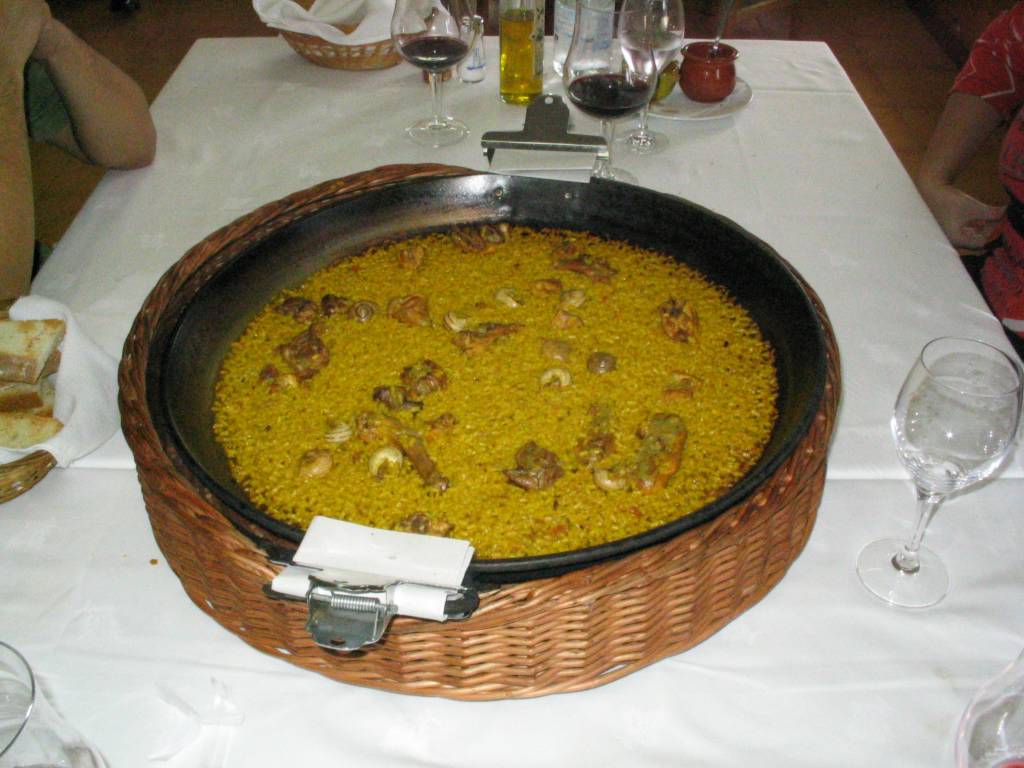
Important culinary thing number one to know about Valencian traditional cuisine is that rice is to Valencia as pasta is to Italy. Rice fields were planted in Valencia and Alicante as early as the 10th century by the Moors and the region is the birthplace to an astonishing variety of rice dishes, scores, if not hundreds, of them, which we lump together as paellas and Valencianos call arroses. (If former Comunitat Valenciana President Paco Camps hears you call Valencian arroses, arroses catalanes ("Catalan rices") you are in for a tongue lashing, as this correspondent discovered one evening.) Arroses Valencianos may be made with shellfish and fish; peeled shrimp or shrimp with shells on; seafood, chicken, rabbit, pork, chorizo, peas, green beans and pimientos; all vegetables; and squid and squid ink (arròs negre), the last usually served with served with alioli. Perennial favorite, arròs a banda, is rice cooked in a broth in which fish have been poached, with the fish served separately, again usually with allioli. The great inland Alicante favorite from the Pinoso/Vinalopò area, arròs con conejo y caracoles, rice with rabbit and snails (the latter often fed on fresh rosemary branches) - cooked in a layer of rice no more than a few grains thick - is legendary and the object of many a gastronomic pilgrimage.
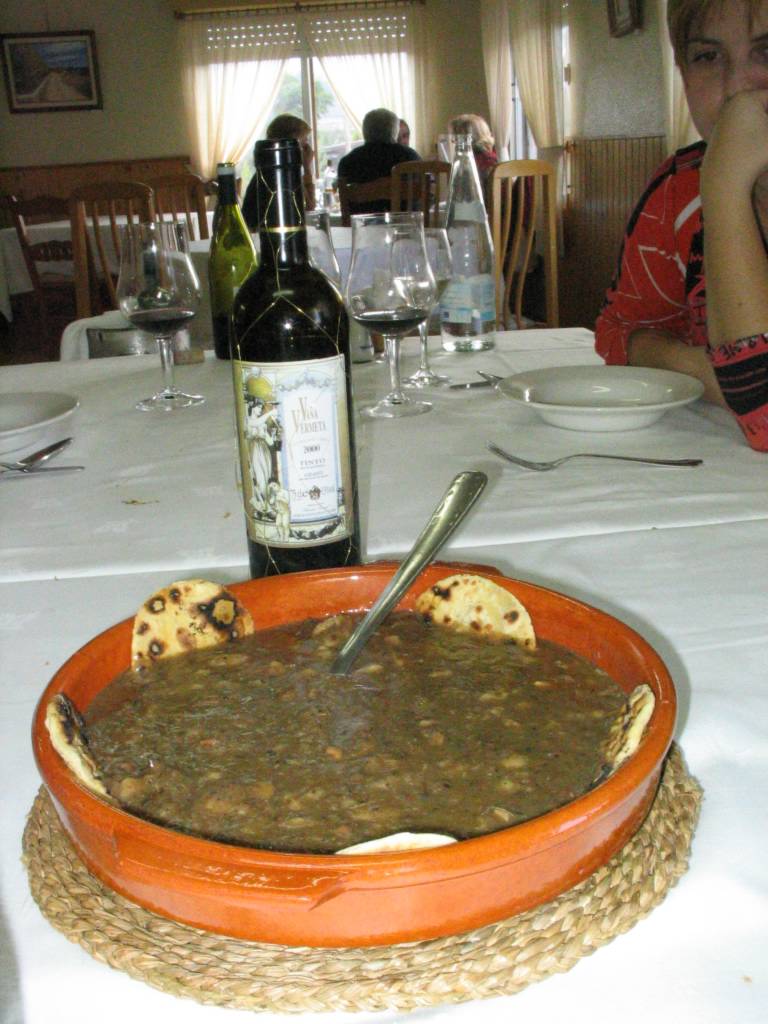
Important fact number two is: a paella isn't a paella, it's the classic, shallow, thin-bottom pan that the dish is cooked in and the dish is properly called arròs (arroz in Spanish) en paella. (If you visit Valencia, don't miss the graduated rows of different sized paella pans and paella-making paraphernalia at Valencia's Mercat Central, one of the best market in Spain after Barcelona's La Boquería). Three, the variety of rice dishes from the Valencia-Alicante region is astounding; some are caldoso (soupy); some are meloso ("wet," or risotto-like), others are dry; some are cooked over fires of grape vine cuttings, firewood, charcoal (a round barbeque grill works great) or special gas rings hooked up to portable propane tanks, others are done stove-top or in the oven (al horno) and many dishes such as the delicious arròses caldosos (soupy rices) are done in crockery casseroles. Dàrsena, a famous restaurant in the port at Alicante, onced offered nearly 150 different rice dishes in several categories, and now offers an exceptional menu that listed a revolving seasonal array of 27 different rice dishes.
Most of the best arroses are made with the Levante area's (La Comunitat Valenciana and Murcia) medium- to short-grain rice: Senía, preferred by many top chefs, Bahía or the famous Bomba and Calasparra rices (from neighboring Murcia). When properly prepared the grains are plump and separate, loosely joined, but not pasted together by their own starches. An essential and prized element of most arroses en paella is socarrat, the crust, which when properly done is not burned or scorched, but caramelized on the bottom of the pan and when the dish is served, scraped and broken up to mix in with the rice and eaten as a crunchy counterpoint to the al diente rice grains.
The Valencian Playa de las Arenas beach area beyond the former fisherman's barrio of Nazaret has long been a draw for paella lovers. Now lining the beach are more than a dozen rice specialist restaurants, including the current favorite L'Estimat and the famous La Pepica, which Hemingway used to frequent when it was a colorful beach shack (called chiringuitos in Spain). The village of El Palmar, a few miles south of Valencia on the picturesque Albufera fresh-water lagoon, claims to have more restaurants per capita than any town in Spain, all the them dedicated to paella and the local specialty all i pebre, a dish made with eel (fished from the flat-bottom boats that ply the shallow lagoon), picante chilis called guindillas, excellent local paprika, almonds, garlic, and potatoes. Try El Racó de Olla or L'Establiment.
Now that you have a grasp on Valencian arroses, don't forget fideuà en paella, caldosa, etc., which is similar in preparation to many of the rice dishes but is made with spaghetti-like noodles instead of rice. Fideuá (fee-day-wah) is purported to have been invented some 30 miles south of Valencia in Gandia, which hosts the annual Concurso Internacional de Fideuá y Gastronomía. Other traditional dishes from La Comunitat Valenciana include esgarrat (strips of salt cod with red peppers), titiana (a dish with tuna and peppers), sepia a la plancha (plancha-grilled cuttlefish), caracoles con romero (grilled snails that have fed on fresh rosemary), clochinas de playa (beach mussels with in broth of olive oil, lemon and onion), michirones (dried fava beans), desserts made from oranges, horchata (a drink made from chufas, or tiger nuts), almonds and dates and the hard or soft almond candy, turrón, for which the Alicante town of Xixona (Jijona) is justly famous. Castelló, La Comunitat Valenciana's northernmost province, is famous for mushrooms and black truffles.
Not to be overlooked in the cocina de vanguardia rush are a number excellent traditional cuisine restaurants and tapas bars (see box) that showcase local products. Many of them are worthy of a gastronomic pilgrimage, so much so that, when added to the Paco Torreblanco-Raúl Aleixandre-Quique Dacosta-María José San Román-Mari Carmen Vélez-Kiko Moya draw, the cuisine of La Comunitat Valenciana becomes one of the highest priorities for travelers on the gastronomic roads of Spain.
– Gerry Dawes
City of Arts and Sciences
As enticing as the food here can be, there is much more to Valencia. Valencia's incredible La Cuitat des Arts y Ciencies (see www.cac.es), which makes Bilbao's Guggenheim Museum and heroic urban renewal efforts seem small by comparison has to be seen to be believed. Built in the old Río Turia riverbed (diverted south of the city after a devasting flood in 1957 inundated Valencia's old quarter), the City of Arts and Sciences it occupies an area of more than 3,765,000 square feet. This monumental project includes L'Oceanogràfic-Europe's most spectacular sea world-designed by the late Félix Candela, and native Valenciano Santiago Calatrava's El Palau de les Arts Reina Sofía (performing arts center), L'Hemisfèric (IMAX Cinema, Planetarium and Laserium), L'Umbracle (walkway and garden) and El Museu de les Ciències Príncipe Felipe (science museum). The old riverbed of the Turia is now a magnificent park with bike and jogging paths, playgrounds, fountains and public buildings devoted to the arts that runs unbroken for some ten kilometers through the city and is crossed by the former river bridges which carry vehicular traffic across what has now been dubbed, the Río Culturia.
Las Fallas
Each year, culminating on March 19th, Día de San José,Valencia also hosts an insane annual fiesta, Las Fallas, during which giant papier-mâché and wood structures standing as many several stories high are assembled in the streets and plazas of the city. They caricature, usually in none-to-subtle, often quite graphic terms, current events, movie stars, sports figures and politicians, both local and international (they love to lampoon American Presidents). On the night of March 19th, these structures, are surrounded by fire brigades, then gleefully torched to the cheers of the citizenry (imagine a Macy's parade in which, at the end, each float is set on fire in Herald Square). Fortunately and most important to food lovers, the Valencia region's institutionalized pyromania carries over into its traditional cuisine in the form of wood-fired rice dishes. Valencianos love to cook paellas out in the country over an open fire.
Raúl Aleixandre's Shellfish Cooking Method
Taught by his mother, Maria Muria, one of the greatest seafood cooks (now retired) in the Mediterranean, Raúl Aleixandre puts crustaceans in ice water with sea salt, has a pan of water heating that is never allowed to boil. He puts the shellfish into the water, brings the water back to temperature below a boil. As soon as he sees the shellfish begin to change color, he shuts off the heat and, depending on the size and quantity, leaves them in the water for another three to six minutes. The result is a shrimp or prawn with the texture and delicacy of raw fish, yet it is cooked to a perfect punta de coción (point of doneness). (You can even do this with thawed, headless, frozen shrimp. Though they will not taste as good as the fresh crustaceans Raúl uses, the texture acheived by this method even does supermarket shrimp justice.)
Comunitat Valenciana Restaurants
(Many more amplified entries will be added from recent trips.)
*Modern cuisine; **traditional cuisine.
(Dial 011 34 then the phone number when calling from the U.S.)
Alicante
*Quique Dacosta, Carretera Les Marines Km. 2.5, Urbanización El Poblet, Denia. 965 784 179. Chef Quique Dacosta received has third Michelin star a few years ago, is ranked just a quarter point (on the Spanish gastronomy bible Guía Gourmetour's 10-point scale) below Spanish superstars such as Ferran Adrià and Juan Mari Arzak. Spain's internationally known restaurant critic, Rafael García Santos, says Dacosta has become one of the most creative chefs in the world.
*Totel, calle José Martínez González 103, Elda (2 km. from Petrer). 965 388 224. Paco Torreblanca's retail outpost in inland Alicante province. Maybe the best small town pastry, panetone and chocolate shop in the world. He also has a salón de té (tea parlor) featuring his creations at calle José María Pemán 19 in Elda and his factory is in nearby Monóver.
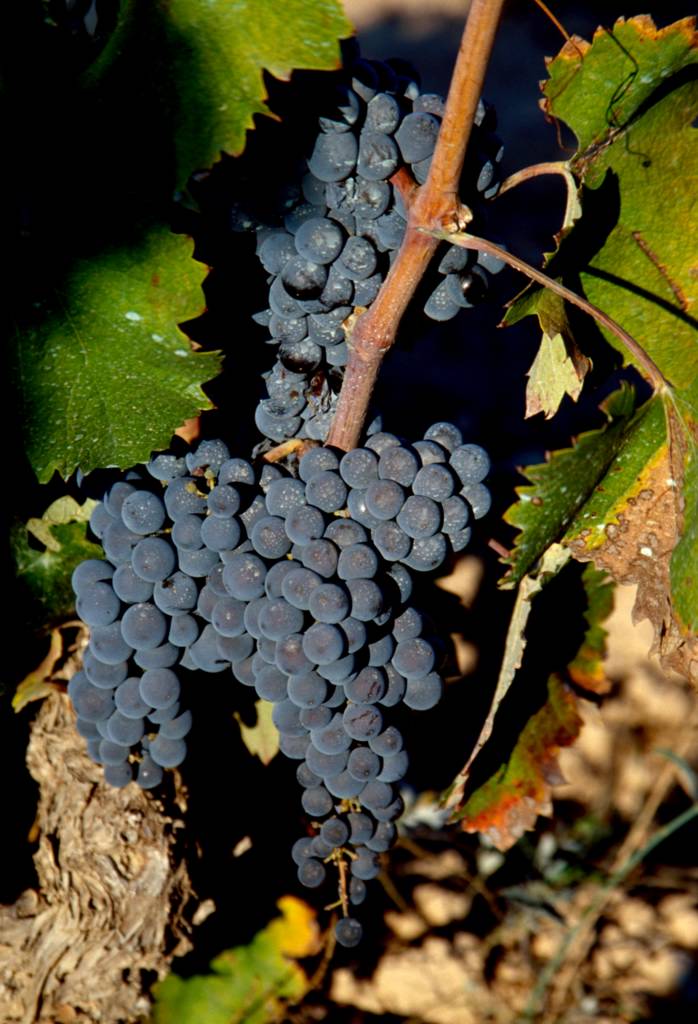
*Monastrell, Alicante. 96 520 03 63. Chef María José San Román, who worked under Catalan three-star chef Joan Roca has made Monastrell (named for the local red grape, the French mouvedre) the top modern cuisine choice in the capital. And María José is an azafrán (saffron) expert (see this recent article in The New York Times; she was working on a book on saffron with star American writer, Peter Kaminsky). She uses Spanish azafrán, often almost imperceptibly, in many of her dishes, including desserts. Opt for her tasting menu and be surprised by her ideas, combinations and the quality of the ingredients she uses.
**La Taberna del Gourmet (Taberna, Delicatessen & Wine Bar), San Fernando 10, Alicante. 965-204-233. María José San Román's superb, quality product-driven, taberna and wine bar, next door to Monastrell and one of the best traditional cuisine restaurants in La Comunitat Valenciana. Somehow you must work María José's restaurants (she also owns Los Mejillones [The Mussels], a block away on the Esplanada de España) into your stay in Alicante, even if it is just some tapas at the bar at La Taberna del Gourmet, which is run by Geni Perramón, daughter of María José and El Portero, "Pitu" Perramón. My recommendation at La Taberna, which is also "Pitu"'s (legendary former goalkeeper for the Spanish national handball team) pride and joy, is to put yourself in the hands of Geni and ask her (drop my name) to do a tasting luncheon of stellar modernized traditional offerings. Depending on the season, a "little" sampling luncheon may include such dishes as little Navarrese txistorra chorizos; a shared portion of arrós con magro y verduras (paella-like rice with pork and vegetables), maybe the best patatas bravas (saffron-infused) in Spain; splendid, supernal gambas rojas (legendary prawns from the Alicante coast); and unbeatable grilled sepionets (small cuttle fish). Now that the preliminaries are out of the way, go on with white esparragos de Navarra with a vinagreta de solera de requena (aged vinegar); an ensalada méditerraneo (arugula , goat cheese cubes, tomatoes and siurana olive oil),;spectacularly good croquetas de chorizo Ibérico; equally spectacular alcachofa a vinagreta (artichokes); pan con tomate y anchoas (bread rubbed with tomate and topped with house-cured anchovies; a little escalivada montadito con foie (grilled vegetables on a toast round with foie gras); riñoncitos de lechazo (milk-fed lamb kidneys) and finish up with a bit of arrós caldoso con cigala y sepia en dados (a delicious soupy marinera rice with chunks of Dublin Bay prawns and sepia cuttle fish). The wine: Rafael Palacios's As Sortes Godello 2005 from Valdeorras. Of course, a little dessert won't hurt, so try María José's bizcocho de tocino de cielo, borracho de lima, freson and helado de gengibre, a take off on the classic, normally sinfully rich, lighter in this version tocino de cielo (read eggs and sugar), with lime, strawberries and a ginger ice cream. Or course, you don't have to do this whole-nine-yards-menu, you can tell Geni when to stop anytime. Try el Menu de Gerry Dawes, which covers a good deal of the above-mentioned dishes.
*L"Escaleta, subida estación Norte 205, Cocentaina. L’Escaleta is a big surprise. In the off-the-beaten track town near Alcoy in Alicante province, two-star Chef Kiko Moya, a combination of experience and youth, along with his cousin, Alberto Redrado-- undoubtedly one of the best wine sumilleres I have encountered anywhere and manager one of the best cheese offerings in any restaurant in Spain-have raised L'Escaleta to a benchmark Guía Gourmets guide rating just below Quique Dacosta. And the lofty esteem in which L'Escaleta is held is well-deserved: The country surroundings, lovely decor, tranquil ambience, assured service, stellar food, sublime wine-food pairings and the cheese offerings make L'Escaleta is one of the best restaurants, not only in Spain, but I dare say, Europe.
*La Sirena, Avenida de Madrid 14, Petrer. Chef María Carmen Vélez is a maestra with mariscos (shellfish), traditional rice dishes and suquets (fishermen's stews), but her innovative twists on these dishes and other creative cocina de autor dishes have made La Sirena a star in the Alicante alta cocina constellation.
*La Finca, Partida Perleta 1 - 7, Elche. Chef Suzi Díaz and husband, José María García, run the one of the best contemporary alta cocina restaurants in the region. Chef Suzi Díaz is considering by experts like Paco Torreblanca to be the benchmark for modern cuisine in Alicante province. Elche was declared a UNESCO World Heritage site for its incredible date palm forest, which is within the city.
**Nou Manolín, 3 Villegas, Alicante. 965 200 368. Recommended for its bar with great Mediterranean seafood tapas.
**Dársena, Marina Déportiva, 6 Muelle de Levante, Alicante. 965 207 589. The menu's 27 rice dishes is a veritable dictionary of Levantine rice cookery.
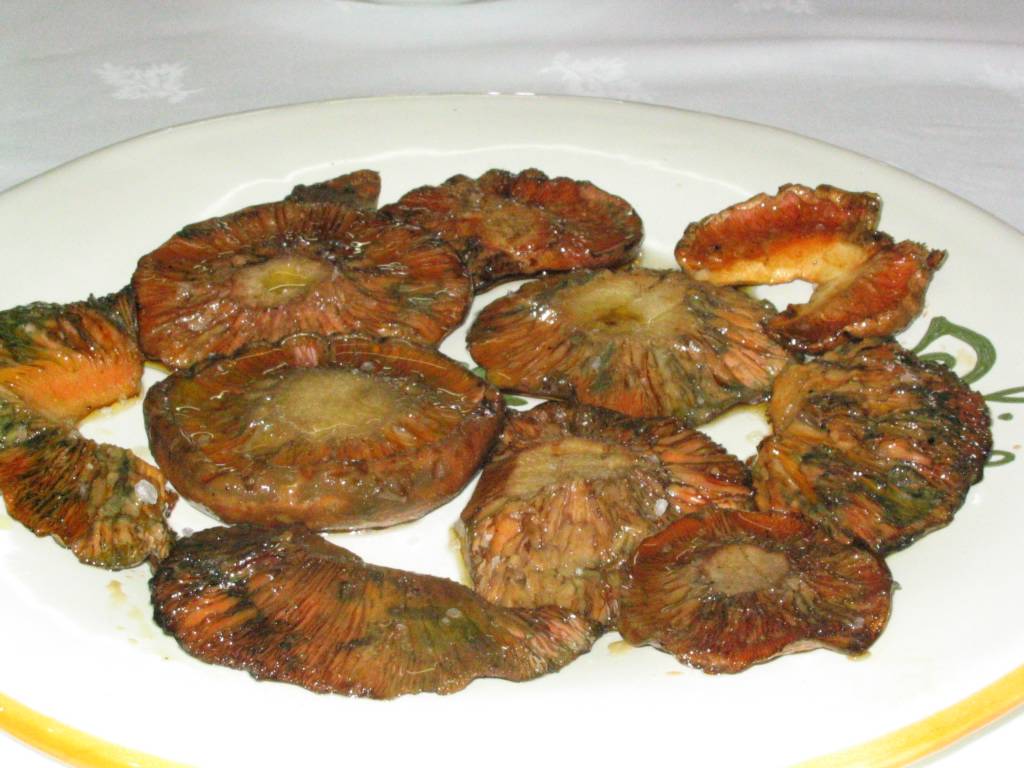
**Casa Elias, Rosales 7, Xinorlet (11 kms. from Monóver). 966 979 517. The wonderful, Alicantina country food served here includes plates of cured sausages, grilled snails redolent of fresh rosemary, superb grilled wild mushrooms and the legendary rabbit-and-snail thin-layered arroz en paella cooked over grape vine cuttings, served with authentic all-i-oli and washed down with Salvador Poveda's red Alicante Borrasco from Monóver.
**Paco Gandia, San Francisco 2, Pinoso (19 kms. from Monóver). 965 478 023. The paella with rabbit and snails here made Pinoso a legend, but customer treatment is often less than símpatico and the omission on the wine list of many of the area's better wines from Alicante and Jumilla is shortsighted.
*/**Casa Pepa, Partida Parmis 7-30, Ondara. Pepa Romans' chef-driven traditional and modernized traditional dishes in a stunning setting amidst orange and olive trees. 011-34-965-766-606
*Sal de Mar, Plaza Drassanes s/n, Dénia. Chef Vicente Patiño's cooking earned Restaurant Revelation of the Year at 2007 Madrid Fusión. Modern cuisine based on seafood from Denia's fishing port across the street. 011-34-966-427-766
Castellón
**La Tasca del Puerto, 13 Avenida del Puerto, El Grao (Castellón de la Plana). 964 284 481. The classic Mediterranean seafood and rice place in La Comunitat Valenciana's northernmost province.
Valencia
*Ca Sento, Méndez Núñez 17, Valencia. 963 301 775. Raúl Aleixandre is one of the few chefs handle the combination of creative, technique-drivenByet artisticBvanguardia cuisine dishes, alternating with courses of spectacular seafood, especially shellfish, perfectly cooked with minimal intervention. One of the great dining experiences in Europe. (Closed. Go to Vinícola by Raúl Aleixandre in the Port of Valencia.
*La Sucursal, 118 Guillén de Castro, Instituto Valenciano de Arte Moderno, Valencia. 963 746 665. La Sucursal just received a Michelin star its upscale modern cuisine, cooked by a team of young chefs.
*L Oceanogràfic Submarino, Ciudad de las Artes y las Ciencias, Valencia. 902 100 031. Very good Valencian alta cocina food, including Mediterranean seafood dishes, served in a strikingly beautiful, ultimately surreal underwater restaurant that features thousands of fish swimming by with inches of your table, separated by the acquarium's glass wall, of course.
**L’ Estimat, Paseo de Neptuno 16 (Playa de Las Arenas), Valencia. 963 711 018. Founded in 1927, one of the top restaurants in a beach-front row of some dozen paella specialists.
**La Pepica, Valencia, Paseo de Neptuno 16 (Playa de Las Arenas), Valencia. 963 711 018. Founded in 1898, La Pepica is la abuela (grandmother) of all Valencia's beachfront paella restaurants and was a favorite of Ernest Hemingway and Orson Welles.
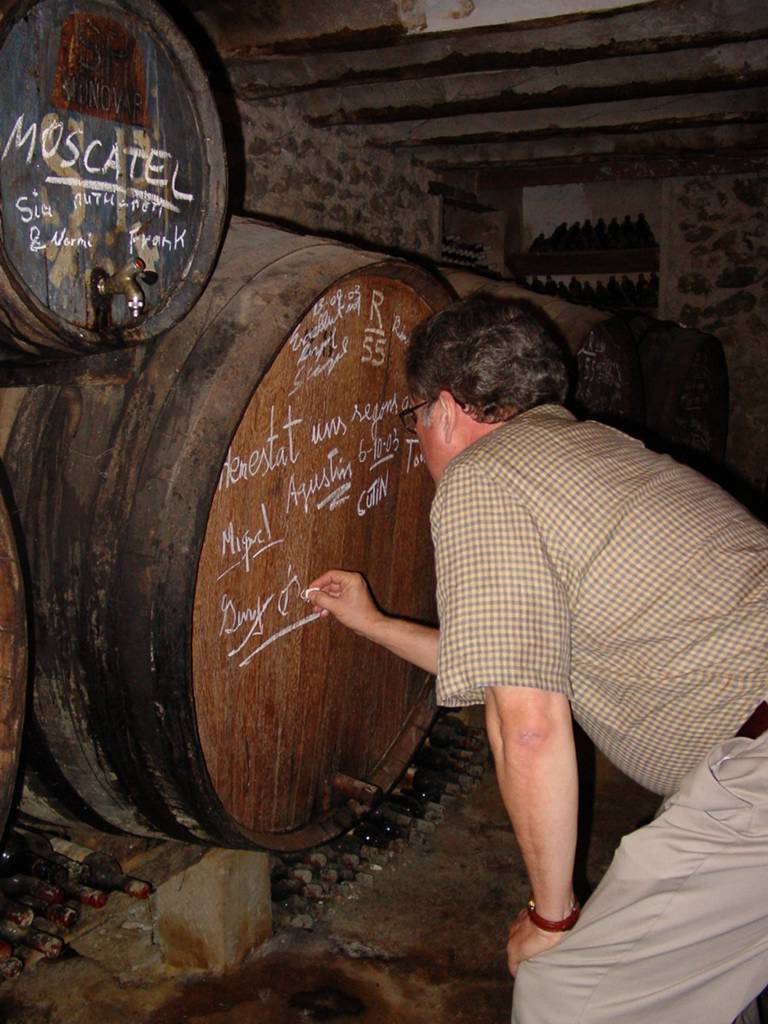
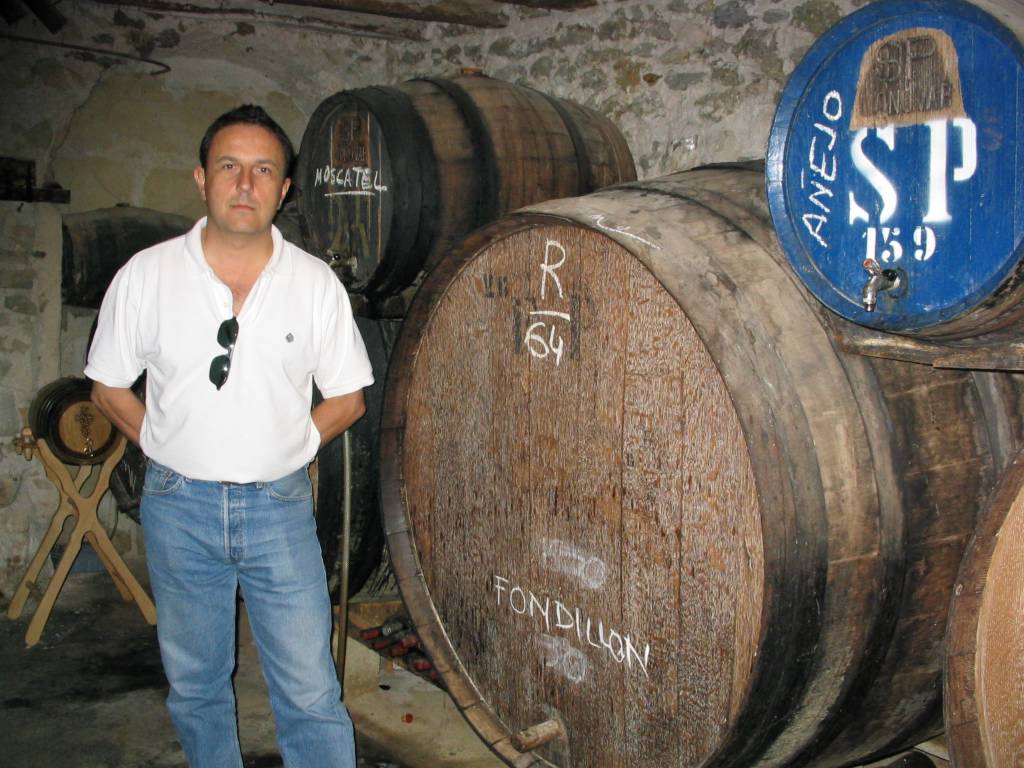
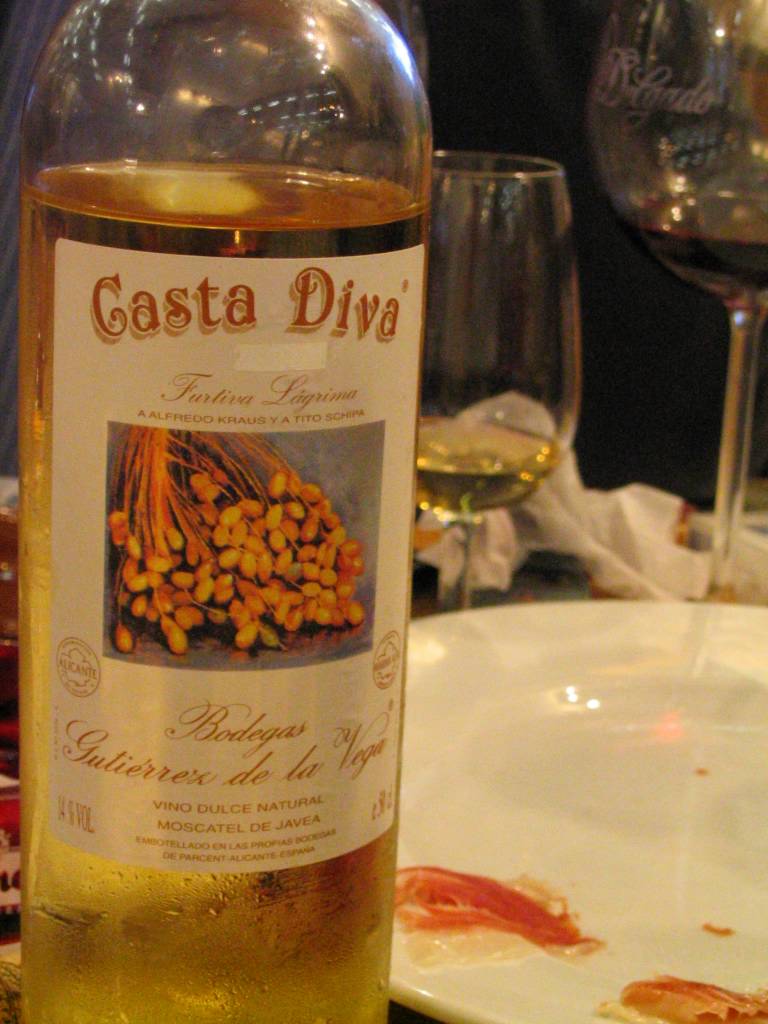
**Casa Montaña, José Benlliure 69, Valencia. 963 672 314. Dating from 1836, this incredible, colorful old Cabanyal district bodega-tapas bar with a backdrop of aged wine barrels is owned by quality-driven Emiliano García, who goes to great lengths to insure the quality of ingredients in such seemingly pedestrian dishes as patatas bravas, cured anchovies and fat lima beans in sauce. At the bar, wines such as Pol Roger Champagne may be available along with moscatels from Valencia and García's own rich, Utiel-Requena red, Aranleón.
**C'an Bermell, Santo Tomás 18, Valencia. 96 391 02 88. An atmospheric Barrio del Carmen (old quarter) taberna, where chef-owner Emil Bermell turns out excellent Valenciano tapas in the front room and authentic regional dishes in the back dining room.
**Casa Carmina, Embarcadero 4. El Saler (10 kms. south of Valencia). 96 183 02 54. Charming, tastefully decorated, and famous for arrós amb fessols i naps (rice with pork, beans and turnips) and delicious, soupy seafood rice dishes, Carmina herself runs this fine restaurant with style and panache.
**L'Establiment, Camino del Estell, El Palmar (Valencia) 961 620 100. Exemplary paellas and traditional cuisine alongside a canal in L'Albufera lagoon's paella village.
**Raco de L Olla, Carretera de El Palmar 21, El Palmar (Valencia). 961 620 172. In a privileged spot looking out on L'Albufera, Raco is one of the top choices for paella and all i pebre made from eel caught in the lagoon.
**Casa Salvador, L'Estany de Cullera, Cullera (40 kms. south of Valencia). 961 720 136. One of the best paella options in la Comunitat Valenciana, Casa Salvador has a large terrace overlooking a fishermen's river estuary.
**Emilio, Avenida Vicente Calderón Bloque F-5, Playa de Gandía, Gandía. 962 840 761. The place to try fideuà de Gandía, spaghetti-like noodles cooked like paella in the town credited with invented the dish.
**El Levante, Virgen del Fundamento 27, Benisanó. 962 780 721. Paella master, chef-owner Rafael Vidal and his family, keep the traditional, multi-generational, paella flames burning with the real paella valenciana (arros, chicken, duck, green beans and Vidal’s beloved home-grown garrofós, Valenciano for garrafones or lima beans.
**L’Matandeta, Carretera de Alfafar - El Saler (kilometer 4), Alfafar. 962 112 184. Forties-something Rafael Gálvez, his wife María Dolores, his daughter Helena and the occasional American chef doing a rice stage keep the wood-fired flames burning under a dozen hand-made paellas at a time. Just a few kilometers from Valencia city, but surrounded by the rice fields of the northern Albufera, L’Matandeta is a real find for superb, authentic regional cocina valenciana, including more than a dozen arroces en paella, secos ("dry" rices)--de pato, pollo y conejo (duck, chicken & rabbit); negro (black rice with seafood, colored with squid ink), abanda (fish stock, with fish served separately) and de langostinos con algas (prawns with seaweed) y melosos (risotto-like consistency) de conejo, garrofós y caracoles (rabbit, special Valencian lima beans & snails), de perdíz, setas y garbanzos (partridge, mushrooms and chick peas).
-The End-




 Specialty cuts of superb fresh Ibérico de bellota pork meat--called pluma, abanico, presa, secreto, lomo, etc.--from pigs fattened from feeding free-range for months on acorns in oak forests in southwestern Spain, will be available at Leña (Firewood), the wood-fired roasted & grilled meats and paella
stand, at Mercado Little Spain at Hudson Yards.








 Posts


