Share This Gerry Dawes's Spain Post


Instagram

In 2026, ranked #7 in the Top 30 Gastronomy Blogs (and Websites for Gastronomists & Gastronomes by Feedspot. (Ranked in the top 50 since 2019). "The Best Gastronomy blogs selected from thousands of Food blogs, Culture blogs and Food Science. We’ve carefully selected these websites because they are actively working to educate, inspire, and empower their readers with . . . high-quality information.

More than 3,640,000 views since inception, 123,000+ views in August 2026.


Ranked #7. Gerry Dawes's Spain: An Insider's Guide to Spanish Food, Wine, Culture and Travel gerrydawesspain.com

"My good friend Gerry Dawes, the unbridled Spanish food and wine enthusiast cum expert whose writing, photography, and countless crisscrossings of the peninsula have done the most to introduce Americans—and especially American food professionals—to my country's culinary life. . .” - - Chef-restaurateur-humanitarian José Andrés, Nobel Peace Prize Nominee and Oscar Presenter 2019; Chef-partner of Mercado Little Spain at Hudson Yards, New York 2019

11/26/2012

Food Vignettes: From Asturias, Three Emblematic Dishes


* * * * *
 From Don Rockwell's Dining Blog (Washington, D.C.)

"Neighboring Asturias is another sleeper.  It has only a miniscule amount of wine, but great cider and a multitude of some of the best cheeses in the world and bean dishes like verdinas con mariscos (green flageolot-type beans cooked with crab, shrimp and/or clams) and fabada asturiana, along with arroz con leche (rice pudding) with a creme brulee-like caramelized crust.  

Then you add some of the most awesomely beautiful high mountain scenery and seashore in Spain, bucolic mountain villages saved by cheese making and colorful fishing ports and Asturias is a paradise, a place to get away from it all."

I have made this verdinas dish twice since I returned from Asturias.


Posted Image
Asturian verdinas con mariscos (beans cooked with shellfish), a dish made with beans
brought back from my recent trip to Asturias, crab legs, clams and shrimp. 11-11-2012.
Dish and photo by Gerry Dawes, 2012.

Posted Image
La Maquina restaurant's famous fabada asturiana, fabada bean stew with chorizo and morcilla.
Photo by Gerry Dawes©2011 / gerrydawes@aol.com.

Posted Image
La Maquina restaurant's arroz con leche, rice pudding with a caramelized crust.
Photo by Gerry Dawes©2011 / gerrydawes@aol.com.

Gerry Dawes can be reached at gerrydawes@aol.com

11/20/2012

Morcilla (Spanish black pudding or blood sausage) with Pimientos


* * * * *
Montatidos/pinchos de morcilla con pimientos, bar in the Casco Viejo, San Sebastían.  
Photo by Gerry Dawes/2008 .

Morcilla con arroz a la plancha con pimientos, (grilled blood sausage with rice, topped with roasted red peppers (a typical preparation in Burgos), Rincon de Espana, Burgos, Spain.  
Photo by Gerry Dawes/2005.

 
More Morcilla (Slide show, double click right to enlarge.) _______________________________________________________________________

About Gerry Dawes  

Gerry Dawes was awarded Spain's prestigious Premio Nacional de Gastronomía (National Gastronomy Award) in 2003. He writes and speaks frequently on Spanish wine and gastronomy and leads gastronomy, wine and cultural tours to Spain. He was a finalist for the 2001 James Beard Foundation's Journalism Award for Best Magazine Writing on Wine, won The Cava Institute's First Prize for Journalism for his article on cava in 2004, was awarded the CineGourLand “Cinéfilos y Gourmets” (Cinephiles & Gourmets) prize in 2009 in Getxo (Vizcaya) and received the 2009 Association of Food Journalists Second Prize for Best Food Feature in a Magazine for his Food Arts article, a retrospective piece about Catalan star chef, Ferran Adrià. 

Dawes was awarded the Food Arts Silver Spoon Award in a profile written by José Andrés

". . .That we were the first to introduce American readers to Ferran Adrià in 1997 and have ever since continued to bring you a blow-by-blow narrative of Spain's riveting ferment is chiefly due to our Spanish correspondent, Gerry "Mr. Spain" Dawes, the messianic wine and food journalist raised in Southern Illinois and possessor of a self-accumulated doctorate in the Spanish table. Gerry once again brings us up to the very minute. . ." - - Michael & Ariane Batterberry, Editor-in-Chief/Publisher and Founding Editor/Publisher, Food Arts, October 2009.

 
Mr. Dawes is currently working on a reality television series on 
wine, gastronomy, culture and travel in Spain.
 

11/19/2012

Foro Internacional de Turismo de Benidorm 2012 - Entrevista a Gerry Dawes (in Spanish)


* * * * *


Gerry Dawes would like to host a reality television series on wine, gastronomy, culture and travel in Spain that features a different star American chef in each episode.
Serious inquiries welcome.

Gerry Dawes can be reached at gerrydawes@aol.com.
 

11/16/2012

La Castela: One of the best tapas bars in Madrid

* * * * *

 
Zamburiñas (small scallops), La Castela, Madrid. Photos by Gerry Dawes©2012  

One of the best tapas bars in Madrid, with a wonderful modernized traditional cuisine tablecloth restaurant in back, which is frequented by some of the city's top food lovers.

(Slide Show)  

La Castela
Doctor Castelo, 22 
(Just a block or so from the northeast corner of El Parque de Buen Retiro-Retiro Park). 
Teléfono: 91 573 55 90.

Gerry Dawes can be reached at gerrydawes@aol.com

New Sherry Book by Peter Liem & Jesus Barquin Endorsement Quote by Gerry Dawes


* * * * *


The classic family of Sherry-style wines, which includes Manzanilla and Montilla, is incredibly multi-faceted. Chilled dry, finos, manzanillas and amontillados are exceptional companions to shellfish, tapas and sushi; amontillados and olorosos can be a stunning accompaniment to cheeses and dishes with mushrooms or red peppers and the dessert sherries pair splendidly with everything from foie gras to fruit tarts to espresso or cappuccino. Likewise, this versatility and rainbow of flavors is indispensable in cooking; a splash of sherry can make a dish taste unique. The range of more than half a dozen different basic styles, the spectrum of hues, aromas and flavors in these wines, their utility with food and the fact that many of these marvelous wine jewels are downright inexpensive should make Sherry a popular wine indeed.  


However, there has often been a dearth of reliable information about these wonderful wines, so I am delighted to say that wine writer Peter Liem and Spanish Sherry expert Jesús Barquín have teamed up to create Sherry, Manzanilla & Montilla:  A Guide to the Traditional Wines of Andalucía, a well researched book that should be an indispensable addition to the library of any wine aficionado, wine professional, chef or restaurateur.  – Gerry Dawes, Spanish National Gastronomy Prize and Founder of The Spanish Artisan Wine Group

Gerry Dawes can be reached at gerrydawes@aol.com

11/08/2012

Roda & Contino: Mano a Mano (A 2006 Article Revisited)


* * * * *
Text & Photographs by Gerry Dawes©2006
 
http://photos1.blogger.com/x/blogger2/8188/946/1600/911334/IMG_3027%20Santolaya%20&%20Madrazo%20pouring%20each%20others%20wine%20sm.jpg 
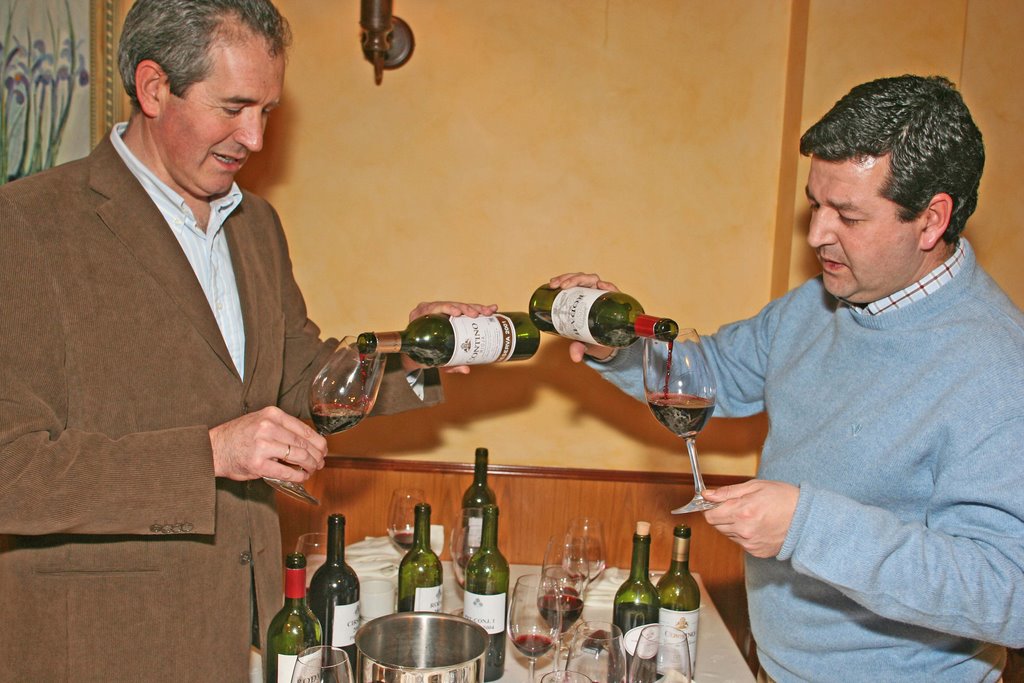
Friendly rivals Agustín Santolaya, Managing Director of Roda & Jesús Madrazo, winemaker, Contino pour each other's wines at Hector Oribe Restaurant in La Rioja.

For at least a decade or more, I have had a love-hate relationship with the wines of Rioja - a region responsible for some of my life's most memorable tasting experiences. I prized the best of the old guard wines (R. López de Heredia, CVNE, La Rioja Alta, Marqués de Riscal and others) - yet recognized the mediocrity of many - and grated against the brashness of a gush of new wave Riojas that left palate-scalding new oak and high alcohol in their wake. Not surprisingly, the passage of time has seen most of the stalwarts evolving toward a more modern style and many of the newcomers toning down their brash styles to a degree that moves them closer to the classic wines that made Rioja famous in the first place.

Among the most captivating of these maverick makers, Viñedos del Contino has emerged as Spain's most important "château" and Bodegas Roda as one of its most significant and innovative wineries founded in the past 25 years. Both are now at or near the top of almost everyone's list of the greatest wines of the modern Spanish era, including mine. And because each has accrued substantial a track record -- Contino with more than 30 vintages, Roda with more than 15 -- the time was ripe to reassess their evolutions.

Located in La Rioja Alavesa district, a few miles northwest of Logroño, La Rioja's provincial capital, Contino is a single-vineyard pago that produces a reserva and gran reserva, the unusual varietal Graciano and the stunning single-parcel wine, El Olivo.
  
Roda, a state-of-the-art winery that also embraces some notable, time-honored influences, is located next door to R. López de Heredia's centenarian bodegas in the celebrated Barrio de la Estación in Haro. Roda makes the entry-level Roda (formerly Roda II), Roda I (the bodega's flagship 100 percent Tempranillo) and the super-luxury cuvée, Cirsion (named for the thistle blossom that is the winery's logo).
  
The genesis for this article actually came about three springs ago at the Salón Internacional de Gourmets in Madrid when Agustín Santolaya, the tall, handsome, affable general manager of Roda, made me an offer I couldn't refuse: "Come up to the winery in La Rioja after the Salón closes and I will open every wine we have made since 1992 and prove to you how great Roda wines really are."

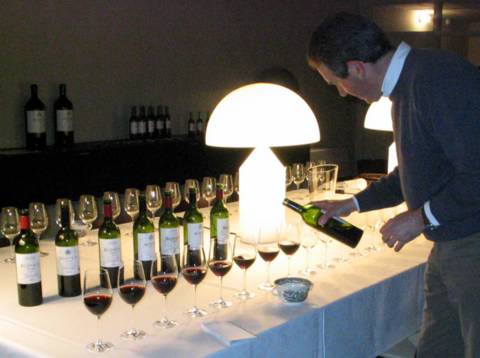
 Agustin Santolaya pouring some of the 21 wines at a midnight tasting that 
he organized for me at Roda in April 2003.  Photo by Gerry Dawes©2003.

Two years prior, I had questioned his approach to winemaking in print and he was eager to gently but firmly defend Roda's prominently proclaimed scientific approach to viticultural techniques and winemaking, and prove me wrong in the process. At least in my first encounters with Roda - and many other so-called alta expresión new wave offerings being fawned over as nuevos milagros, new miracle wines - I was not impressed. Nor was I convinced by the public relations claim that Roda wines were the "new kings" of the Barrio de la Estación in Haro, especially because its neighbors included a row of classic wineries that had always ranked among Spain's best bodegas: CVNE, La Rioja Alta, R. López de Heredia and Muga.

I had come away from a tasting at Roda several years earlier with the impression that too much emphasis was placed on big, powerful, inky, concentrated wines overdosed on new oak. Its blockbuster alta expresión Cirsion offering was then pegged at around $150 (it's now $250). Santolaya's bent for winemaking by the numbers (i.e., the reliance on scientific criteria) also left me skeptical. His agro-scientist's approach to extracting the best, "phenologically" ripe - quite ripe - old vine tempranillo grapes, then making them into intense, voluptuous wines with liberal lashings of new oak, was simply unconvincing.

And I kept wondering about the "communal palate" behind the Roda wines, which seemed formulaic rather than inspired. Nevertheless, I was not going to miss a chance to taste mano a mano with the individual responsible for overseeing the wines at one of Rioja's most highly touted modern wineries, so I rented a car in Madrid on the last day of the Salón and headed for Rioja, a four-hour drive northeast. Passing through snow flurries on the way up, it was 10:30 at night by the time I arrived. Santolaya had laid out tapas and opened 21 wines - every Roda wine made since the winery's founding in 1987, except for the 1991, which was bottled but never released (the first commercial release in 1996 was from the 1992 vintage).

In addition to his role since 1998 as managing director, my host is also the de facto technical director, the man who has the last word on winemaking. He was first hired as a consultant in 1992 by founders Mario Rotllan, a wealthy Barcelona businessman-wine importer (Pol Roger Champagne, Taylor Fladgate, Château Mouton-Rothschild), and his wife, Carmen Daurella (thus, Ro-Da).

Santolaya recalled that, "Mario Rotllan had a clear idea of what he wanted to do from the beginning: He didn't want to make the same wine as the great classic wineries. Rather, the idea was to look for the maximum possible expression of tempranillo in our area of La Rioja. Finding the best grapes is fundamental, then we try to get everything the grape has to give, while trying to make a wine that is elegant and not aggressive. We want wines that are fun to drink, that give pleasure with food."

With that as the goal, Santolaya assembled and led a team whose first task was to painstakingly identify 100 high-quality vineyards in La Rioja Alta and La Rioja Alavesa near Haro and select 22 separate parcels from which Roda's grapes would be sourced. Through his endeavors then and later, Roda now owns 150 acres of vines and controls another 250 ranging in age from 30 to 50-plus years old and situated 1,475 to 1,870 feet above sea level. Some, like the best vineyards in Burgundy, for example, are at the limits of cultivation, which can be problematic in challenging vintages, but can produce sublime wines in favorable years. Roda also has a 60-year-old garnacha vineyard (at 2,100 feet) in La Rioja Baja used for only the basic Roda bottling.

It is Santolaya's habit to select grapes from the 17 best lots of low-yield vines (minimum age 30 years, average age 45) and vinify them separately in large, upright tinos, or wood vats. Because "it is a communal palate here," he explained, the team then blind tastes the wines to classify them. Before we settled down to taste, Santolaya took me on a quick refresher tour of the facility, where I was reminded that all wine transfers are done by gravity and I learned a maximum of 25,000 cases per year are made.

First in the evening lineup was the 1992 Roda II (the lesser of the three wines made here), followed by 1992 Roda I and 1993 Roda II (no Roda I was made that year) - wines that still had some fresh acidity, but were from poor to mediocre vintages and were overwhelmed by new oak. Roda I, Santolaya said, is 100 percent tempranillo, while Roda II is usually 90 percent or more tempranillo, the rest garnacha and graciano. The 1994 Roda I (no Roda II made), from a great vintage, was riper and smoother, but still marred by oak, as was the 1995 Roda II and 1996 Roda II.

The wines began to improve dramatically with the 1995 Roda I and 1996 Roda I, which, though they were still somewhat hamstrung by new oak, also showed exceptional promise with smooth, ripe black fruit and minerals. Santolaya noted that after 1996, they began to tone down the new oak (all French, from eight different producers) a bit; they now use just 50 percent new oak for Roda and Roda I, and 100 percent new oak for Cirsion.

"In the earlier years, we used to put the wines in new oak for 24 months, but we have cut it to 12 to 14 months," Santolaya explained. "The first month in new oak, when the wine is going through malolactic fermentation, gives as much oak to the wine as the next six to eight months does." Wines undergo malolactic fermentation at Roda in November (early for La Rioja) in a special room warmed by radiant heat floors. (Because the winters are cold here, if something is not done to warm the wines, malolactic fermentation will not be completed naturally until spring.)

The team didn't succeed with 1997, an off vintage; the Roda II was sold off in bulk and Roda I was thin and showed more oak than fruit. In 1998, however, both bottlings began to live up to the winery's top-quality claims; the Roda II showed rich berry fruit and round, plummy, chocolaty, ripe flavors that carried the 13.9 percent alcohol well, and the Roda I was a big, silky, but well-structured wine with loads of black plum and Graves-like mineral qualities.
  
In 1999, another poor vintage, the wines were not successful, but in 2000, Roda hit its stride, turning out big (14 percent alcohol), voluptuous, silky, black wines with lots of rich, ripe fruit. And in the stellar 2001 vintage, which some observers believe produced the best tempranillo grapes in history, the perfect embodiment of the house philosophy was realized with big, sweet, silky, flavor-packed wines that display distinct, minerally terroir and elegance, despite the hefty - for Rioja - 14-plus percent alcohol content.

By midnight, we had tasted through 17 wines with four vintages of Roda's superstar Cirsion still on deck. Santolaya noted that Cirsion is not from a single vineyard, rather it's from the best tempranillo grapes in the best years hand-selected by a specially trained team of ten people who inspect the fruit by tasting it.

"We want a wine with the highest concentration of fruit and structure," so they look for bunches that, according to Santolaya, "are already nearly wine inside the grape and bursting with ripeness with long polymerized tannin strings, not the shorter ones that can make wines harsh and brittle."

Fermentation takes place in upright Seguin Moreau oak foudres and then the wine is moved into new French oak where it undergoes malolactic fermentation. It remains there for only about eight months, because Santolaya doesn't want oak to dominate. He explained that Cirsion is the result of research into the polymerization of grape tannins and anthocyans, and the judicious use of new oak is needed to "fix" them, or in Santolaya lay speak, "make a sandwich with the wood."

Such a recipe yielded big, exotic wines in 1998, 1999, 2000 and 2001 that showed rich, sweet black fruit, and were very silky and deceptively smooth in spite of the 14.5 percent alcohol levels. The 2001, of which only 7,000 bottles were made, was already on the market when this tasting took place in 2003. Santolaya said that it followed Roda's philosophy that a wine should be ready to drink upon release and should still live for 20 years.

The jury is still out on Cirsion's longevity, but, as Santolaya intended, the wine sure grabs the taster's attention. "When you analyze the time a wine critic has to judge your wine, then divide that into the thousands of wines the critic has to taste every year, each wine gets about one minute, so your wine has to sock him in the jaw and deliver a knockout punch. You have to make him say, 'Wow!'"

In this instance, however, I had spent more than three hours tasting Roda's wines and tasted them again with the tapas later. I concluded that the wines had evolved steadily since those early efforts that I disdained. They were still more alcoholic and extracted than I prefer - big by traditional Rioja standards - but there was no denying the quality standards that went into their making. I even thought that, in some ways, they were moving closer to the more elegant style of wines like CVNE Imperial, an evolved classic from one of Roda's neighbors.

Ironically, much like Roda, the wines of CVNE's offspring, Contino, despite their power, have grown increasingly more elegant - though still richly flavored - with each passing vintage under winemaker Jésus Madrazo's hand. Established in 1973 by family members and investors from CVNE (pronounced koo-neh, an acronym for Compañía Vínicola del Norte de España), the Contino property dates to a 15th-century grant from Queen Isabella and King Ferdinand. It comprises 153 acres of vineyards set on a gently sweeping slope that angles down to the Ebro River, a natural boundary that nearly encircles the property in a broad loop. 


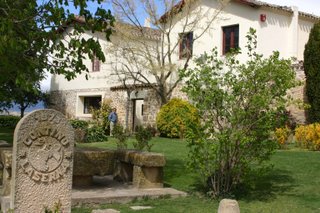
Contino Estate, La Rioja Alavesa.

On the other side of the Ebro from the Contino estate, a high, curving, ochre-colored sandstone cliff forms a vertical barrier that, in effect, defines the bowl that Contino property occupies, creating a unique microclimate. The cliff traps the heat and reflects sunlight back into the alluvial, rock-strewn property, parts of which are mindful of Châteauneuf-du-Pape. Because of the topography, Contino is often rewarded with riper grapes than many other vineyards in this area, and much riper fruit than vineyards in the cooler, higher elevations around Haro.

In cool years, this warm bowl effect can be an advantage, but in very hot years, it presents its own set of problems. During an early vintage, a hot spell caused the sugars to spike to a level that produced wines that nudged 18 percent alcohol, hence no Contino was made that year. Ever since, a keen weather eye is trained on the vineyards during warm spells so that this costly experience is not repeated. Taken altogether, the vineyard's terroir normally results in wines of substantial concentration that carry between 13.5 to 14.2 percent alcohol.

Contino's first director and driving force was the now-retired José Madrazo Real de Asua, also a director of CVNE (founded by his great-grandfather in 1879), and the father of the current winemaker, Jésus Madrazo, whose mentor was the legendary CVNE enologist Basilio Izuierdo. "Contino is a warm microclimate property," Madrazo noted in a recent conversation. "

Over the past decade, Contino has begun the harvest between September 15 and 21, which makes us among the earliest grape harvesters in La Rioja. Historically, our alcohol levels range just under 14 percent. The trick is to achieve balance in the wines. If I were not a classic enologist, the wines would probably rise to 15 percent or more." The 40-year-old Madrazo, unlike most modern winemakers in Spain, grew up drinking the great, old library vintages of CVNE Imperial and Viña Real Gran Reservas from the 1940s, '50s and '60s, which set the tone for his winemaking style.

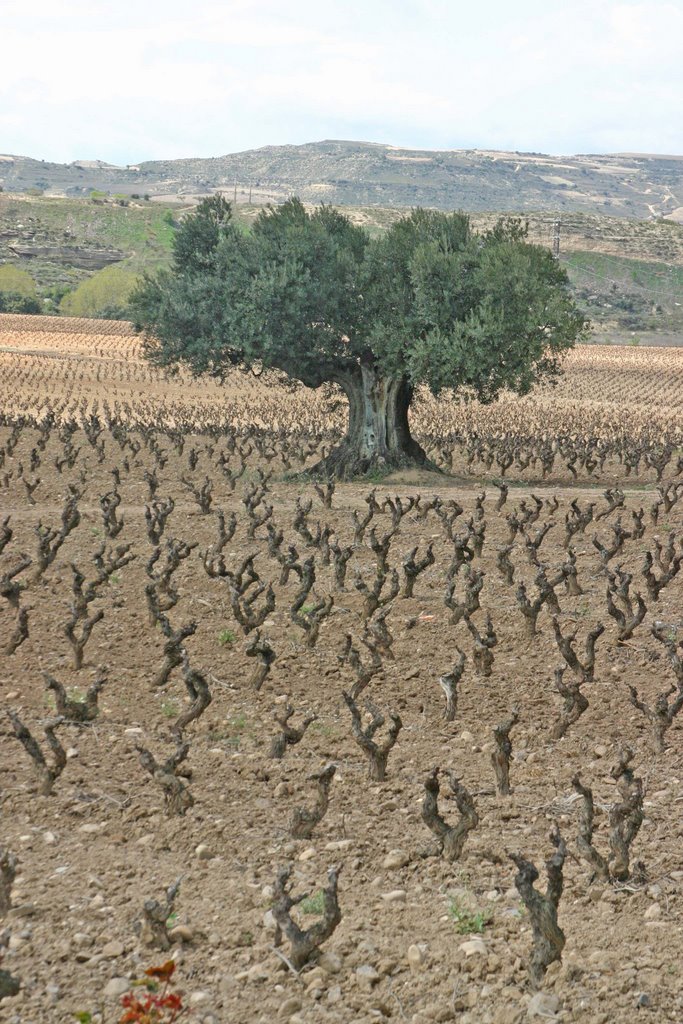
With only a few Contino vintages under his belt (his first vintage was 1999), Madrazo made the stunning 2001 El Olivo from 90 percent tempranillo (harvested from a single parcel over which a 1,000-year-old olive tree presides) and 10 percent graciano from a nearby Finca San Gregorio plot. This 2,000-case gem is undoubtedly the greatest red wine I have tasted in the so-called modern era of Spanish winemaking, which roughly dates stylistically to the early 1990s when concentration, high alcohol and lavish new French oak began to dominate. 


http://photos1.blogger.com/x/blogger2/8188/946/1600/427676/IMG_0140%20Contino%20El%20Olivo%20sm.jpg
Contino's now famous El Olivo vineyard.

Although Madrazo espouses the virtues of new oak, he approaches it with caution: "You have to buy good oak that is not green and has been air-dried so it is properly cured," he explained. "Oak should not import any negative attributes to your wines and it must do justice to your own fruit. What works for another winery might not be good for your wines. For instance, I liked Marqués de Vargas's 1998 and 1999 wines, which were aged in Russian oak made by a Rioja cooper. I admired the balsamic flavors and the toast, so I ordered some barrels to do an experiment. The Russian oak was a disaster at Contino for the flavors I like to extract from tempranillo and my way of making wine."

New oak has its place here, just as it does at Roda. "Agustín Santolaya and I agree that when you use new oak, the quality of the fruit is paramount," he stressed. "You can't use new oak on poor grapes. We use the highest quality of grapes, which can stand up to new oak. Contino's El Olivo and Graciano both have almost 100 percent new oak, but I don't age them more than 12 to 14 months in it." For the majority of his wines, Madrazo uses a combination of French and American oak (with one percent Hungarian) with plenty of carefully main-tained used oak in the mix. Because barrels are kept a maximum of eight to nine years, no more than 10 or 15 percent new oak is usually purchased each year.

At a milestone tasting I attended last April at the Contino estate, Madrazo opened almost every Contino Reserva and Gran Reserva made since 1974 - 28 wines in all (missing were six off years when no wine was released) - for a small audience composed largely of Spanish wine critics. Also in attendance was his aforementioned predecessor, Basilio Izquierdo, who made Contino's wines from 1974 to 1998. (For the first few years, until the vinification facility was built at the estate, Contino wines were made by Izquierdo at CVNE.)


http://photos1.blogger.com/x/blogger2/8188/946/1600/587041/IMG_0789%20Contino%20J%20Madrazo%20tasting%20with%20Spanish%20wine%20writers%20sm.jpg
Historic Tasting at Contino.

We began the modern phase of the tasting with the 1994 through the 2004 Contino barrel sample. (Because the winery became infected with TCA in the late 1980s, no wine was made in 1992 and 1993. After a four-year closure and $6 million sanitization program, a crianza was made in 1994 and 1995 that marked the return to reservas.) "Contino Reserva has to be good every year," Madrazo said, "since it has the best price-to-quality ratio, it is our bread-and-butter volume wine (8,500 to 17,500 cases per year, depending on the vintage) - the one that reaches more customers, so it has to carry the quality image of Contino always."

Even in off years, such as 1997, 2002 and 2003, Contino Reservas rate consistently well. Because new oak had to be purchased after the TCA episode, the 1994 and 1995 wines, while still lively, fruity and spicy, had still not shaken off the taste of new wood. In 1996, Izquierdo made an excellent wine, one in which sweet, ripe blackberry and blueberry fruit, toast and carob were well integrated with still detectable, but not overly obtrusive new oak. The 1998 Contino Reserva was sweet, silky and elegant. In 1999, Madrazo took over the winemaking duties and was promptly rewarded with a mid-April ice storm that was one of the worst in recent history. As a result of the deep freeze, one-third of the normal crop was lost.

Madrazo increased the French oak content to 70 percent (plus 29 percent American, one percent Hungarian) and made a very elegant wine. In 2000 and 2001 - the former vintage, good; the latter, great - the direction in which Madrazo intended to take Contino was clearly evident. Both wines showed plenty of sweet, ripe red currant and blueberry fruit, spices and reasonably restrained oak. With just 13 percent alcohol, the 2000 Reserva was very elegant and stylish; the 2001 more powerful (13.7 percent) and packed with sweet fruit, chocolate and minerally terroir. In the poor 2002 vintage, Madrazo actually made a delicious, spicy, easy-drinking wine, and he seemed to do quite well with the super-hot 2003, which was still aging in barrel.

After a break, wines from Contino's "classic" period - 1974 to 1988 (when TCA began to be detectable) - were poured. Because I have high regard for traditional, well-aged wines, I was generally more enamored of their qualities than were my modern-palate-tuned Spanish counterparts, with the exception of critic Andrés Proensa, whose scores more closely paralleled mine. Many of these wines showed typical sweet red cherry fruit with the hints of orange peel, dried rose and tea that come from aging. Because of poor vintages and the TCA hiatus, between 1983 and 1988 only the 1985 and '86 still showed reasonably well.

Although Madrazo is making some of Spain's great modern wines, he also turns out a throwback to the long-aging, traditional Riojas on which he cut his teeth. In very good to excellent years, he bottles (in magnum only) a sublime Contino Gran Reserva. He opened the 1996, an incredible wine with deep, rich, deliciously sweet currant and cherry fruit, great balance and marvelous complexity, for his guests. The 2000 was nearly as good, while the 2001 promises to be even better with age. He observed, "I wanted to make a wine that would recall the great classic grandes reservas that I grew up drinking - the 1964 CVNE Viña Real, R. López de Heredia Viña Bosconia 1942, for example - wines that will live for 30 years or more. I want some wine lover in the future to be able to duplicate the same experience by savoring a superb wine that is several decades old."

But Madrazo was not yet done. As a fare-thee-well gesture, the budding Rioja maestro pulled the cork on his dream wine, the 2000 El Olivo. This intensely flavored, complex, beautifully structured red finishes with a Graves-like minerality, the stamp of Contino's terroir. His 2001, from a spectacular tempranillo vintage, could well become the model for others in Spain to emulate. 


A January tasting at Hector Oribe Restaurant in Páganos (La Roja Alavesa) brought me up to date on the latest releases and validated what I already suspected: Contino and Roda are two of the best new-wave wineries in Spain whose recent vintages demonstrate that big doesn't necessarily mean brawny. These wines are not Arnold Schwarznegger dancing the tango in True Lies; rather, they are substantial Riojas with balance, style and even grace. More important, they are delicious to drink.

It is poetic justice that both bodegas are based in La Rioja, a region that has taken heavy flack from a few prominent Spanish wine writers who seem to favor just about any new property from the hot-country Mediterranean wine regions over almost anything produced in Spain's time-honored red wine area. The wines of Contino and Roda are living proof that tempranillo grown in the unique micro-climates and soils of Rioja's Atlantic-influenced, mountainous wine region is still hard to top when put into the hands of talented winemakers like Jésus Madrazo and Agustín Santolaya.

Tasting Bar

Through a series of events over a span of two years, the verticals that follow were tasted at both wineries, respectively, with a January 20 follow up review of the latest releases over lunch with both Jésus Madrazo and Agustín Santolaya at the wonderful Hector Oribe Restaurant in the village of Páganos in La Rioja Alavesa (also in attendance was Gónzalo Lainez, Roda's export manager, who is also a member of Peña Bilbao, one of northern Spain's most influential private tasting groups). None of the wines were tasted blind.

Bodegas Roda Roda II 2000, La Rioja Alta - $38: Pleasant nose of fruit, minerals and oak. Very smooth and balanced with integrated fruit and oak; rich black plum and chocolate flavors; smooth, silky tannins and a mineral finish. Score: 89

Roda I 2000, La Rioja Alta - $59: Fresh nose of black plum, pleasant oak and minerals. Plummy fruit flavors and silky texture with a mineral finish, this time shored up with noticeable tannins. Should improve with a few years of cellaring. Score: 91

Roda II 2001, La Rioja Alta - $38: Somewhat closed, but clean nose shows some lead pencil. Sweet, delicious and balanced, with a nice complex finish showing ripe fruit, graphite minerality and oak. Excellent. (17% garnacha) Score: 92

Roda I 2001, La Rioja Alta - $59: A gorgeous, elegant, balanced black fruit nose. Delicious, well-knit balance of ripe fruit, chocolate and minerals that fill the mouth and finish silky and seamless. Very impressive. Score: 94

Cirsion 2001, La Rioja Alta - $250: Deep, ripe black fruit nose. Very rich and exotic flavors with intense, sweet blackberry fruit laced with chocolate and minerals. So silky it glides over the palate in a smooth, voluptuous rush of fruit, so you may not notice the 14.3 percent alcohol until you have finished a glass of it. Score: 92

Cirsion 2000, La Rioja Alta - $250: Exotic, spicy nose of violets and minerals. A very concentrated "Mediterranean" Cirsion, with delicious, silky black fruit flavors and enough tannins to hold it together. For lovers of big, concentrated wines. Very nice for its weight. Score: 92
Contino Reserva 2001, La Rioja Alavesa - $42: Pleasantly oaky nose with sweet, ripe fruit and toast aromas. A tannic, oaky finish buttresses lots of delicious sweet blueberry and red currant with chocolate and mineral flavors. A great vintage that needs several years of cellaring. Score: 94

Viñedos del Contino Contino Reserva 2000, La Rioja Alavesa - $42: Integrated oak and sweet black fruit nose. Elegant, stylish and balanced with delicious, concentrated sweet red fruit, cocoa and mineral flavors, and noticeable, but harmonious oak. Opens steadily with airing. Score: 93

The four gran reserva wines listed below all need several years in bottle, but, with aging, they promise to be delicious, profound wines that show the best of the Contino estate - in fact, the best that La Rioja and Spain can produce.

Contino Gran Reserva 1996, La Rioja Alavesa - $65: Nice oak and sweet fruit jump out of the glass. Wonderfully complex and delicious with sweet ripe cherry and currant flavors along with licorice, cocoa and mineral notes; lovely finish. A modern wine that is a throwback to the great Rioja wines of yesteryear, many of which are among the greatest red wines ever produced. (Magnum only) Score: 96

Contino Gran Reserva 1999, La Rioja Alavesa - $65: Closed nose shows whiffs of ripe fruit. Rich and sweet, with cola, licorice and chocolate flavors still bound up in firm tannins that bode well for the long term. Still needs plenty of time. (Magnum only; not yet in the U.S.) Score: 91

Contino Gran Reserva 2000, La Rioja Alavesa - $135: Intense black and red fruit aromas with mineral and oak notes. Very rich, sweet, ripe, deep, delicious black raspberry fruit with carob, minerals and oak in the finish. (Magnum only; not yet released) Score: 95

Contino Gran Reserva 2001, La Rioja Alavesa - $145: Deep, ripe black fruit, black olive and oak scents. A big, sweet, rich delicious wine with good grip to hold it for the long haul. Needs several more years to develop fully, especially since it is in magnum. Score: 96

Contino Graciano 2000, La Rioja Alavesa - $95: Exotic nose of anise, white chocolate and herbs. Tart by nature, this Graciano, which is reminiscent of a Petit Verdot, needs bottle age, air and, certainly, food. The aromas in the nose carry through on the palate with more herb and balsamic flavors. Score: 88

Contino Viña del Olivo 2000, La Rioja Alavesa - $120: Ripe black fruit and black olive nose with oak integrated. Rich and very complex with stunning black fruit flavors, good acidity and great structure. Reminiscent of a great Graves, like Haut-Brion, with a long, gravelly finish. Score: 94

Contino Viña del Olivo 2001, La Rioja Alavesa - $120: Beautiful nose of ripe black fruit, minerals and toasty oak. Entry is smooth, with delicious, sweet, fresh black raspberry, toast and mineral flavors. Elegant for its 14 percent alcohol with a good acid balance and everything in harmony. Needs five to ten years; this great wine is a keeper. Score: 97 - GD


This article originally appeared in The Wine News. (First published in 2006.)


About the author 


Gerry Dawes was awarded Spain's prestigious Premio Nacional de Gastronomía (National Gastronomy Award) in 2003. He writes and speaks frequently on Spanish wine and gastronomy and leads gastronomy, wine and cultural tours to Spain. He was a finalist for the 2001 James Beard Foundation's Journalism Award for Best Magazine Writing on Wine.


Mr. Dawes is currently working on a reality television
series on wine, gastronomy, culture and travel in Spain.

10/30/2012

Canary Islands: Exotic Spanish Islands with a Unique Culinary & Wine Heritage


* * * * * 
 All Photos by Gerry Dawes©2012
Contact: gerrydawes@aol.com
 
Tenerife's Teide, the volcano that is the tallest mountain in all of Spain
and third tallest volcano in the world.  Photo by Gerry Dawes©2009.

I have been traveling the gastronomy, wine and tourist roads of Spain for more than forty years, but until May of this year, when I was asked to report on my travels in The Canary Islands, I had never stepped foot on any of the seven major islands–La Palma, La Gomera, El Hierro, Tenerife, Gran Canaria, Fuerteventura and Lanzarote--in this volcanic archipelago located some 1100 miles (or a three-hour flight from Spain’s capital, Madrid).

Wow, did I get a surprise! I expected the Canary Islands, which is one of Spain’s 17 comunidades (regional divisions), to have a lot in common with the rest of Spain with a few interesting food and wine twists. What I found on these fascinating islands off the coast of Africa in the Atlantic Ocean is a culture as distinct from the rest of Spain as Hawaii is to the mainland United States. 
 
In fact, the Canaries are sometimes referred to as “Europe’s Hawaii,” because it is where a lot of Europeans go for the year-round delightfully mild climate, which makes for prime beach vacations, though these islands offer far more than just beaches, as I was pleasantly surprised to find. And the wild, evocative, extinct (and not so extinct) volcano-dotted landscapes, deep blue-green seas and exotic climates that change from north to south on these generally small islands are the stage for distinctly different experiences from what you might expect to find on the Iberian Peninsula, which Spain shares with Portugal.

Here you will find not only the influences of Spain, Spanish Galicia and Portugal, but Africa as well, and certainly not least to native Canary Islanders, the still powerful pull of the aboriginal tribes such as the Guanches (Tenerife), the Canarios on Gran Canarias and the Gomeros, who communicated down the steep mountain valleys by means of the Silbo Gomera (whistling signals). Thought possibly to be descended for tribes in Africa’s Atlas mountains (Lanzarote is only 70 miles east of the African coast), the original inhabitants of the Canarias lived in these islands from at least from 200 BCE (some believe 1000 BCE) and experienced Phoenician, Greek and Roman expeditions.


The Canary Islands got their name from the fierce native dogs, canes, the Romans encountered on the islands, not Canary birds, which originated here and get their name from the islands). Europeans, mostly Spaniards, came to subjugate the islands in the 15th Century and Columbus stopped here with his ships on his voyages of discovery of the New World.

Once the native inhabitants were subdued the Spanish Crown, the Canary Islands became the last stop–and supply life line–for explorations of the New World by Spanish and Portuguese explorers and the continual sailings and return of the explorers fleets seeded the Canaries with an influx of New World products. In fact, here, many of the ingredients used in Canary Islands cooking–corn, cilantro, watercress, hot peppers, tropical fruits (papaya, mango, guava), unique varieties of potatoes and many other items–that the islanders have used since the exploration period never emerged as essential elements in most Spanish mainland cooking. But these ingredients took hold here tenaciously and form the basis for many dishes that are unique to the Canaries.


Fish and many other dishes are served with three of the most ubiquitous and defining elements of Canary Islands cuisine: Gofio (toasted flour, the true national culinary supplement that predates the conquest, though several versions include toasted New World millo, or maize, flour); the quickly addictive papas arrugadas (special Canary Islands varieties of small potatoes, including “black’ ones, “wrinkled” by cooking them in sea water or heavy salted tap water); and the wonderful mojos, or vinegar-and-oil based dipping sauces served with almost every Canary Islands meal. 


Gofio flours are often served as a dip with raw onions , as an accompaniment to fish dishes, soups and other dishes and are often put out in bowls on tables in restaurants specializing in native cuisine.

 
Papas arrugadas are often served as a appetizer and just as often as a side to fish or meat dishes,
along with usually two vinegar-and-oil based mojos.


The mojos most frequently encountered include:

green mojo de perejil (parsley, garlic and cumin)

or mojo de cilantro (garlic, green and chili peppers, cilantro, cumin and crushed toasted bread, vinegar and oil)

and red mojo colorado (garlic, red pepper, paprika, cumin and toasted bread).

Perhaps the star version is the famous mojo picón, made with red chili peppers and hot paprika, which makes a picante sauce that is anathema to mainland palates and is a sensation absent in most mainland Spanish regional dishes, except in gambas al ajillo (which uses a slice or two of dried cayenne pepper), in the sauces for patatas bravas and in the Basque Country, where red chilis are used in several dishes.

Other notable mojos are one made with avocados, one made with grated cheese and tomatoes, one uses almonds and another is made with orange juice.

A visit to the colorful markets in places such as Las Palmas de Gran Canaria, Los Llanos de Aridane (La Palma) and La Laguna (Tenerife) reveals a wide variety of fish seldom seen in mainland markets.

 
Fish Available in the Markets of Las Islas Canarias


Sama (a type of sea bream from the same family as dentex and urta


 Cherne (wreckfish) 


 Vieja colorada (parrot fish)


Cabrilla (a type of grouper) 


Morena (moray eel) 


Alfonsino (emperor fish) 


burro (none-too-attractively called in English, the rubber-lip grunt).
 
Some of the fish come from local waters (quite deep just offshore due to the abrupt volcanic nature of the birth of these islands), but many of the varieties are caught in the shallower waters off the coasts of Morocco, Western Sahara (unil 1975, Spanish Sahara), Mauritania and Senegal. Usually these fish are grilled a la plancha (on a flat-iron grill), sometimes a la parilla (grilled over wood fire) and sometimes in fish soups and stews, caldo de pescado (fish soup, Gran Canaria) or cazuela de pescado (a fish stew casserole; Tenerife).

Other typical Canary Islands dishes include fried conejo en adobo (rabbit marinated in olive oil and vinegar with bay leaf, thyme, oregano, chili pepper and saffron); potaje de berros (a watercress-based soup with beans, pork ribs, yams, potatoes, cumin and paprika); cabrito en aliño (goat marinated with white wine, vinegar, garlic, oregano and then friend and sauced with the hot marinade); and Carribean inspired ropa vieja, leftovers from a typical stew (chicken or meat, chickpeas, carrots and onions) sauteed with spices.

Desserts include bienmesabe ("it tastes good to me"), made from almonds, sugar, lemon, cinnamon and egg yolks); huevos mole (beaten eggs cooked gently in a bain-marie and served with lemon-cinnamon syrup); and bollos de millo (cornmeal buns).

There are also several distinguished Canary Islands cheeses, usually made with goats' milk, sometimes with mixed ewe's and goats' milk: Majorero from Fuerteventura is the most famous, but queso palmero (La Palma), queso de Gomera and the cooperative Arico in the Abona area of Tenerife, which made a gofio-covered goats' milk cheese that won first place in the 2009 World Cheese Awards in Dublin. One of the most typical dishes in the islands is almogrote, a spread mad from aged Gomera goat cheese, olive oil, chili peppers and hot paprika. 


Canary Islands wines, above all the white wines and sweet wines are fascinating, often delightful companions to the local dishes. The Islands have a wide variety of grapes, many of which disappeared from the Iberian Peninsula when it was hit by the late 19th-Century phylloxera plague that devastated European vineyards. Some of the vineyards, especially those on Lanzarote, planted in holes in volcanic ash to collect life-sustaining moisture from dew and partial lava rock walls protect them from the forceful winds, are some of the most unusual and striking vineyards in the world. The Canary Islands have eleven D.O.s (denominaciones de origen) governing the production of wines. 


Most of the best dry white wines and the best sweet white wines-among the greatest dessert wines of Spain-are made primarily from the Malvasía grape variety. Predominant red varieties include Listán Negro and Negramoll. Among the bodegas to search out are Tenerife's superb Viñatigo (Ycoden-Daute-Isora D.O), Viña Norte/Humboldt (Tacoronte-Acentejo), Bodegas Buten's aptly-named Magma de Crater (Tacoronte-Acentejo) and Tajinaste (Valle de la Orotava). Three wineries of note on volcanic Lanzarote are El Grifo (Lanzarote), Los Bermejos, and the architecturally stunning, state-of-the-art jewel Stratus (Lanzarote). And from La Palma come some spectacular sweet wines such as Tamanca's Sabro Dulce and the excellent Malvasía Dulces from Carballo and Teneguía grown on the volcanic slopes (the last major eruption came in 1971!). 


On this trip, I visited Gran Canarias, La Palma, Tenerife and Lanzarote. That still leaves food and wine adventures on Fuerteventura, La Gomera and El Hierro, plus a couple of smaller satellite islands off Lanzarote. After the rich experiences I had on this trip, it will certainly not be another forty years before I return to these exceptional islands again.

--The End--


10/27/2012

Canary Islands Seafood - Fish Available in the Markets of Las Islas Canarias


* * * * *
 
Sargos, white sea bream, Senegal. 
(Note: Since the water is so deep right off these volcanic islands, 
many of the fish are caught in the shallower waters of the African coast.)
All photographs by Gerry Dawes © 2009. Use of photos prohibited without written permission.


Slide show - Click on the arrow. Double click to go to Picasa page for a full-screen view.

About Writer-Photographer Gerry Dawes

Gerry Dawes was awarded Spain's prestigious Premio Nacional de Gastronomía (National Gastronomy Award) in 2003. He writes and speaks frequently on Spanish wine and gastronomy and leads gastronomy, wine and cultural tours to Spain. He was a finalist for the 2001 James Beard Foundation's Journalism Award for Best Magazine Writing on Wine. His articles and photographs have appeared in scores of publications .


Trailer filmed in Valencia and Alicante for a proposed reality television
series on wine, gastronomy, culture and travel in Spain.

10/24/2012

Cervecerías: Madrid's Beer Bars (With a Couple in Barcelona)

First appeared in Food Arts
by Gerry Dawes


La Maja Desnuda, now with a padlock over a sensitive portion of her anatomy, at the very campy Cervecería Los Gatos tapas bar, Madrid.  Curro Romero is the bullfighter.  
Photo by Gerry Dawes©2010 / gerrydawes@aol.com.


Cervecería Alemana, Hemingway Hangout
Gerry Dawes copyright 2010

If you ask the average Spaniard (and most foreigners, for that matter) for a definition of a cervecería, one of Spain’s ubiquitous so-called beer bars, you will get all kinds of answers, almost none of them right.

“It’s a bar where they only serve beer,” a woman in Madrid told me. (Most cervecerías serve wine, hard liquor, coffee, and tapas--Spain’s answer to hors d’oeuvres and the best fast food in Europe.)

La Cañita, Madrid.
Gerry Dawes copyright 2010

“A cervecería is a bar that specializes in beers.” (Most cervecerías traditionally had only a couple of beers on tap, but almost all offer draft beer, but so do most bars and tapas bars.)

And those Irish, English, or German beer pubs, which every major city seems to have? There are plenty of international-style beer bars such as Oldenburg in Madrid, which claims The Guinness Book of World Records title for most beers offered in the smallest space (163 beers in a bar that is 14.5 square meters [156 square feet]) and many others in larger cities such as Barcelona, where they are called cerveserias (Catalan). They offer a wide variety of beers from around the world and technically they are also cervecerías, but they certainly aren’t your typical Spanish cervecería.

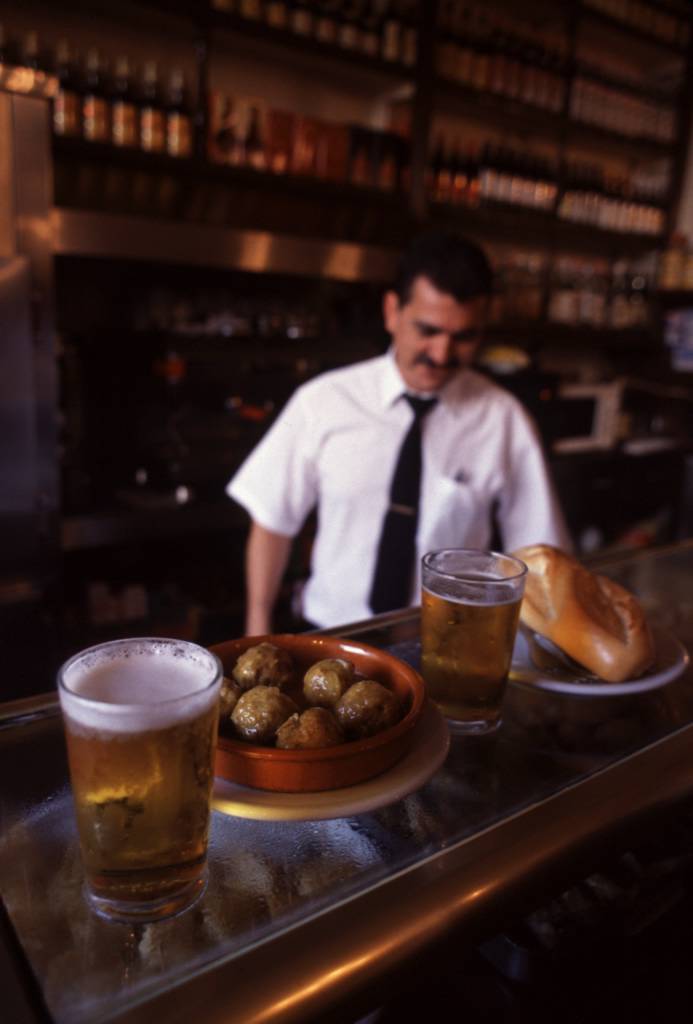
Waiter in Madrid with glasses of beer.
Gerry Dawes copyright 2008

So, what then is a Spanish cervecería? After traveling Spain for three decades without getting a clear, fixed definition, the best I can figure is that a typical Spanish cervecería is a place to go when you want sit down with a cold glass of draft beer, don’t really mind whether there is a large selection, and wouldn’t mind having a tapa or two with your brew. Unlike many tapas bars, which are often stand-up-and-picar (snack on little bites of food) places with little or no seating, a cervecería will usually have plenty of chairs and tables where you can sit down with friends, sip your cerveza, and engage in one of those great gab sessions called tertulias. (Don’t drink alcoholic beverages? You can still enjoy the atmosphere and food of Spain’s cervecerías. Cerveza sin alcohol, alcohol-free beer accounts for 7.5% of the Spanish market, tops in the European Union.)

The average Spanish cervecería would drive most American drinks writers crazy, because most cervecerías in Spain actually don’t make that much of a fuss over beer. In a typical Spanish cervecería, the selection on draft in most cervecerías is limited to selections from the company that paid for taps, which are usually emblazoned with the logos of one of the five major Spanish breweries (San Miguel, Cruzcampo, Damm, Mahou, or El Aguila).

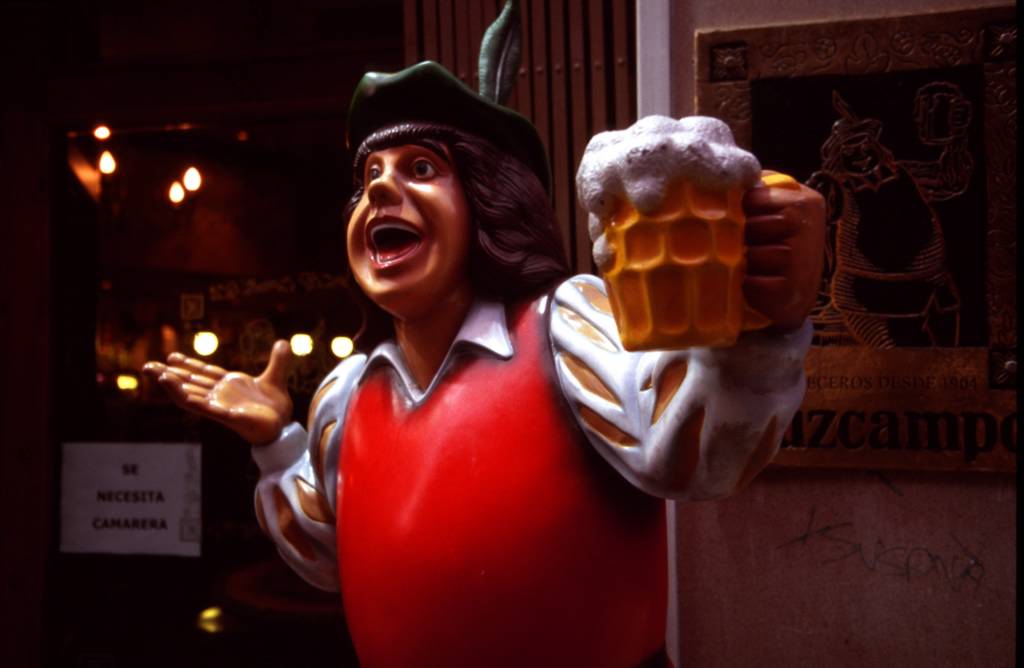
Cruzcampo, which was founded in 1904 and is now owned by Heineken (which also owns El Aguila), even has its own franchised string of colorful cervecería/tapas bar/restaurant establishments called Gambrinus, which is represented by drawings and statues of a jovial, portly, rather Alpine-looking, distinctly good-old-hombre kind of character lifting a beer stein.


Gambrinus, Logroño.
Gerry Dawes copyright 2010

(The Gambrinus of legend was a 14th- or 15th-Century Burgundian, who is often referred to and depicted as the “King of Beers,” which will come as a big surprise to most Americans, who think the “King of Beers” is Budweiser.) The very good, fast-growing, San Miguel-owned Cañas y Tapas franchise, which was founded in 1999 and already has some 20 outlets in the Madrid and more than 50 around Spain, features San Miguel on draft and excellent tapas.

Spain has more than 20 national brands of beer and is the European Union’s third-largest beer producer (behind England and Germany) and ranks ninth in the world. Spanish beer exports have nearly doubled over the past six years, but full-blown beer connoisseurship has not yet descended on Spaniards - - as wine geekdom has (this, too, has changed over the past decade; there are many more beer bars specializing in Spanish and European artisan beers now). Nevertheless, most Spanish beer tastes great, especially if you are the type who doesn’t lament that you are not drinking Guinness, Chimay, Fischer, etc.

In a cervecería, Spanish beer is normally served chilled in cañas (short water-glass style quaffs). [If you want a bigger beer simply ask for a doble (a large wider-mouthed glass) or a tanque (tankard, a larger mug or stein); for a dark beer, cerveza negra.] A Spaniard will pop in to a cervecería and order a caña, which will probably be accompanied by a little oval dish of green olives and/or potato chips, sometimes house-made.

Woman's hand reaching for a beer.
Gerry Dawes copyright 2004

He or she (women of all ages frequent cervecerías for a refreshing caña) will sip their beer, munch on the olives and potato chips, and move to wherever it was they were going before they got thirsty. A caña is just a quick pick-me-up and thirst quencher. Pairs will come in, order a round of beers and a couple of tapas, then move on to the next bar, which may be another cervecería or a tasca specializing in tapas and wine, at which point they may switch drinks. Groups tend to settle in at a table, order a round of beers, a couple of glasses of vino and a few raciones, larger group-sized portions of tapas. Then they set about slaking their thirst, holding the hunger wolf at bay, and getting down to the serious business of the tertulia—shooting the breeze. The topic of conversation most certainly will not be a discussion of the merits of various brands of beers or grousing about why the joint doesn’t offer 163 different brands.

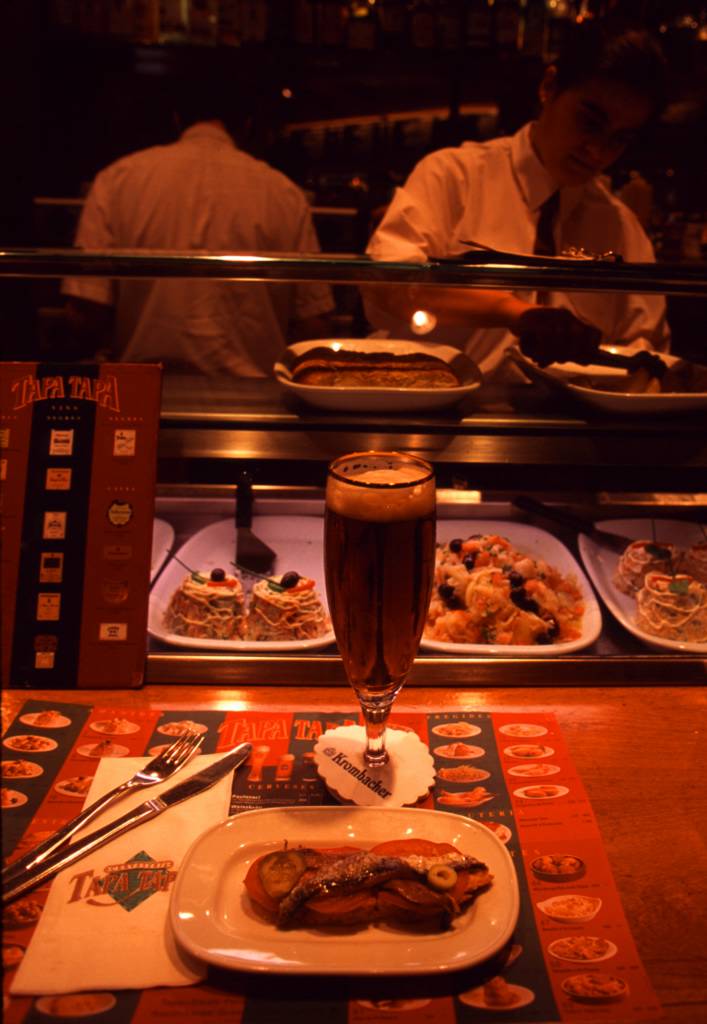
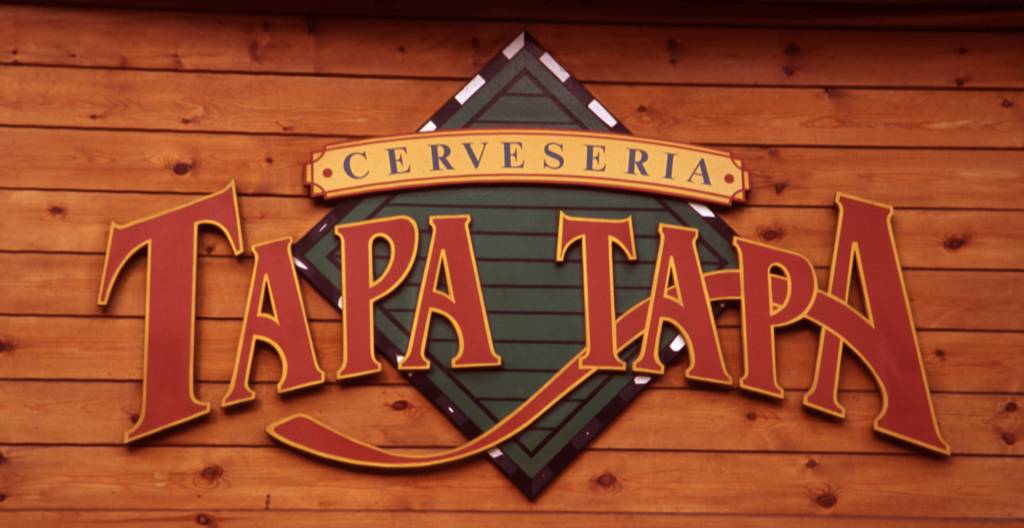
Cerveseria Tapa-Tapa, Barcelona.
Gerry Dawes copyright 2004

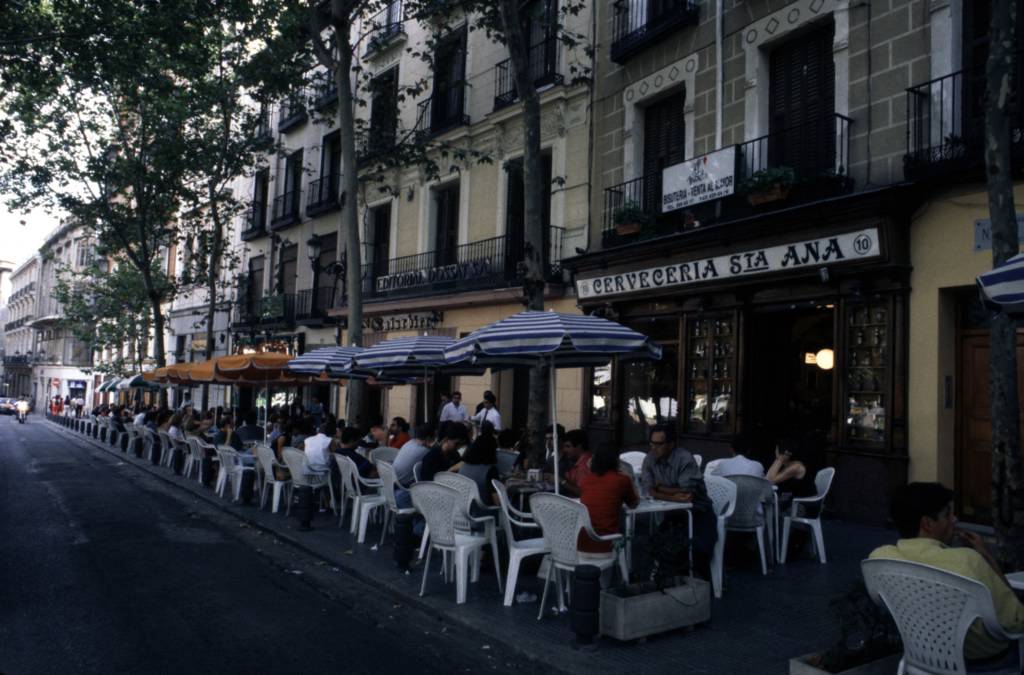
Cervecerías are easy to find in Madrid, Barcelona, and any town of any size in Spain (and the Cañas y Tapas and Gambrinus franchises are spreading like foam out of a fresh beer tap), but a good place to get acquainted with cervecerías is Madrid, where these beer halls have a long and warmly regarded, communal history. An excellent place to begin is La Plaza Santa Ana—one of the Madrid’s most famous squares. The plaza and the streets surrounding it are home to some of the capital’s most colorful and convivial cervecerías.

Cerveza, Cerveseria Tapa-Tapa, Barcelona
Gerry Dawes copyright 2010

Plaza Santa Ana is located just a few blocks west of the Prado and Thyssen-Bornemisza museums, and the Ritz, Palace, and Villa Real hotels. It is in the old literary district where Miguel de Cervantes, the author of Don Quixote, and Lope de Vega, the Spanish Shakespeare, lived. Back in the 19th Century, because of its beer halls, this lively square was popularly known as Plaza de la Cerveza (Beer Plaza). From the number of cervecerías now on the plaza, Plaza Santa Ana could still claim that title.

Plaza Santa Ana
Gerry Dawes copyright 2010

Plaza Santa Ana is bordered on the east by the Teatro Español (Spanish National Theatre) and on the west by the now modernized Hotel ME Reina Victoria, once the epicenter for the bullfight crowd during Madrid’s San Isidro festival each May. But it is the beer halls with their outdoor sidewalk seating along the south side of the plaza, which will get your attention since they are usually filled with attractive people from across the spectrum - - locals, students, tourists - - sampling tapas and sipping beer.

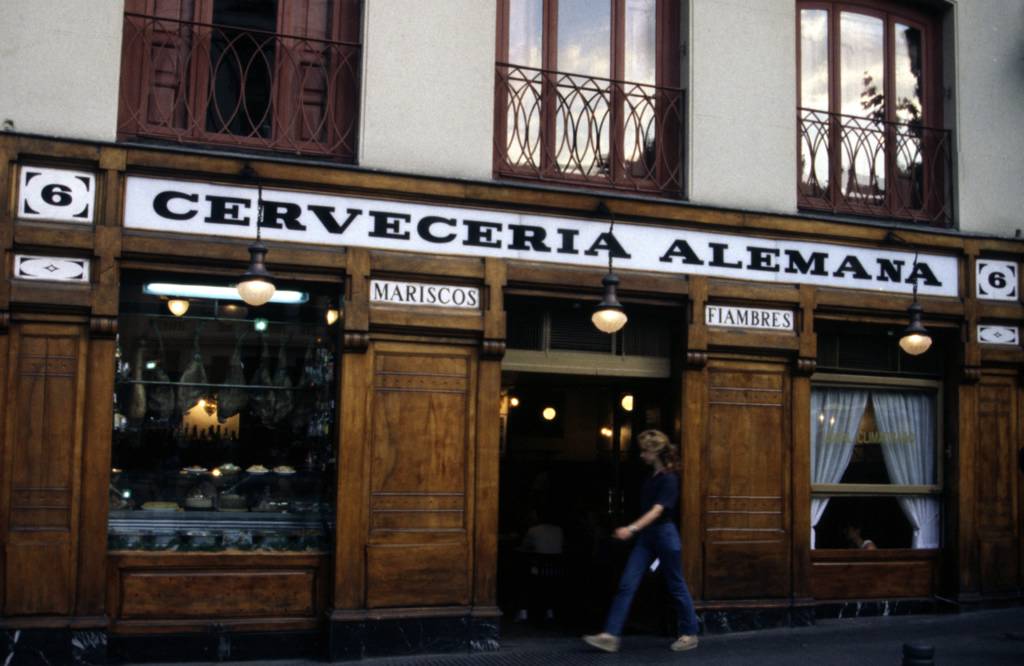
As you come west up Calle Prado from Plaza de las Cortes, where the Spanish parliament (or Cortes) is located, the first bar you will encounter on this row is the Cervecería Alemana, a colorful Madrid institution founded in 1904 and celebrated as an old Hemingway and bullfight hangout.

Cervecería Alemana - Tapas
Gerry Dawes copyright 2010

The marble-topped tables, crusty veteran waiters, and taurine photographs on the wall capture the atmosphere of old Madrid. Ask for una caña de cerveza (you will automatically be served a glass of draft beer) to go with a ración of almejas a la marinera (great Spanish Manila-style clams in a rich, savory sauce), calamares a la romana (deep-fried, battered squid rings), or ensaladilla rusa (“Russian”-style potato salad), all of which are classic Spanish tapas.

Just up the sidewalk is the much newer Naturbier, a fashionable cervecería, which brews its own beer in what was the cellar of an old convent and serves it on draft with tapas such as Galician empanadas (a pie-like pastry stuffed with meat or fish), excellent Catalan sausages, and cured anchovies on toast.

Cerveza y "gildas," anchovies, olives and guindilla peppers on a toothpick, San Sebastián.
Gerry Dawes copyright 2008

Naturbier’s next-door neighbor is another good beer bar, Cervecería Santa Ana, which also has sidewalk tables where you can drink cold draft beer with mostly delicatessen-like cold tapas—a tabla de embutidos (a platter of good Spanish cold meats such as chorizo, salami-like salchichón, jamón serrano [Spain’s superlative cured mountain ham], and cecina [a cured beef ham specialty from northern Spain]; a selection of Spanish cheeses; and such standards as delicious boquerones en vinagre (marinaded fresh anchovies). This cervecería also has a wide-ranging international selection of bottled beers.

A few feet further up the sidewalk towards Hotel Reina Victoria is La Moderna, which bills itself as a cervecería, but is also one of Madrid’s best wine and tapas bars. La Moderna does serve good draft beer, but it also specializes in Spanish wines and food items such as cheeses, olives, and sausages with specific denominaciones de origen (Spain’s equivalent of France’s appellation controlee system for guaranteeing authenticity and quality). La Moderna’s wine-bar style offerings include many difficult-to-find and up-and-coming wineries. They also serve a wide variety of creative single-portion tapas, not just racion-size portions, so you can sample of number of different dishes here.

The tapas bars of the Plaza Santa Ana will get you started. Making the rounds of Madrid’s cervecerías, is a fine introductory course in Spanish food, tapas, and Spanish and European beers. The cervecería scene in Madrid is great fun and the bites of food that accompany the good, cold Spanish beer fortifies you for a long evening of pub hopping and is of a very entertaining and civilized way to drink. Just off the Plaza Santa Ana in the surrounding calles (streets), Huertas and del Principe especially, are at least 30 or more cervecerías that also serve tapas. Just a few blocks east of Plaza Santa and a block west of the Prado Museum is the Plaza de Jesús, which has several more very colorful cervecerías (see listing). There are hundreds more scattered around Madrid (see listing for other selected cervecerías in Madrid and Barcelona).

The Gambrinus chain of cervecerías also offers a short list of international bottled beers, including Desperado, which is describing as having “the aroma of Tequila.” My advice is rather than be that desperado, just do what the average Spaniard does, order a cerveza de barril and take what comes out of the tap.

Cervecerías in Madrid and Barcelona

Literary District (near the Prado and major museums)

Cervecería Alemana, Plaza de Santa Ana 6. 91 429 70 33.

Cervecería Santa Ana, Plaza de Santa Ana 10. 91 429 43 56.

Cervecería Naturbier, Plaza de Santa Ana 9. 91 429 39 18.

Cervecería La Moderna, Plaza de Santa Ana 12. 91 420 15 82.

Cervecería Los Gatos, Plaza de Jesús 2, 91 429 30 67. A very colorful, cave-like, taurine motif hangout a couple of blocks from the Prado.

Las Gatos, Madrid
Gerry Dawes copyright 2004

Cervecería La Dolores, Plaza de Jesús 4. 91 429 22 43. A Madrid classic with a great tile façade, good tapas, and an attractive evening crowd.

Cervecería Cervantes, Plaza De Jesús 7. 91 429 60 93. Another in a string of good beer-and-tapas bars on this street.

Cañas y Tapas, Atocha 42 (and some 20 other Madrid area locations, see www.tapaspain.com; Nuestros Tabernas section for listing). Central reservations number: 902 18 09 18.

Central Madrid & the Barrio de Salamanca (shopping district)

Cervecería Correos, Alcalá 55. 91 578 21 31. Beer and tapas across from Madrid’s ornate main post office, between the Plaza de Cibeles and the Puerta de Alcalá.

Cervecería Santa Bárbara (Also Known as La Cruz Blanca), Goya 70. 91 575 00 52. A Madrid classic for oysters and draft beer. (There are two other related Santa Bárbara cervecerías.)

Cervecería El Barril, Goya 86. 91 578 39 98. A cervecería specializing in seafood tapas. In the Goya metro area near the northeastern side of Retiro Park.

Cervecería Los Clarines, Bocángel 2. 91 356 98 59. A taurine-motif beer bar near Las Ventas, Madrid’s bullring.

Cervecería Juan Bravo 25, Juan Bravo 25. 91 411 60 25. An excellent cervecería/tapas bar/restaurant with a wonderful curving bar, good beer, good tapas, and good ambience.

Cervecería Oldenburg, Alburquerque 13. 91 447 42 72. Guinness Book of World Records, most beers in the smallest space.

Gambrinus Carmen, Plaza del Carmen S/N (near the Puerta del Sol). 91 531 84 13. One of several in the Cruzcampo Gambrinus chain. (See article.)

Cervecería El Doble, José Abascal, 16. 91 448 20 33. A sign here says, “Beer Drawn by the Old System,” basically slow-drawn draft with good tapas and great bullfight pictures on the walls.

Barcelona

Cerveseria Tapa Tapa, Barcelona
Gerry Dawes copyright 2008

Cerveseria Tapa Tapa, Passeig de Gràcia 44. Two long curving bars, scores of tapas with a picture guide to identify them and good German beer on draft. In the Eixample on Barcelona’s Madison Avenue, Tapa Tapa is near some of the modernista architect Antoni Gaudí’s finest buildings.

Cerveseria Tapa-Tapa, Barcelona.
Gerry Dawes copyright 2008

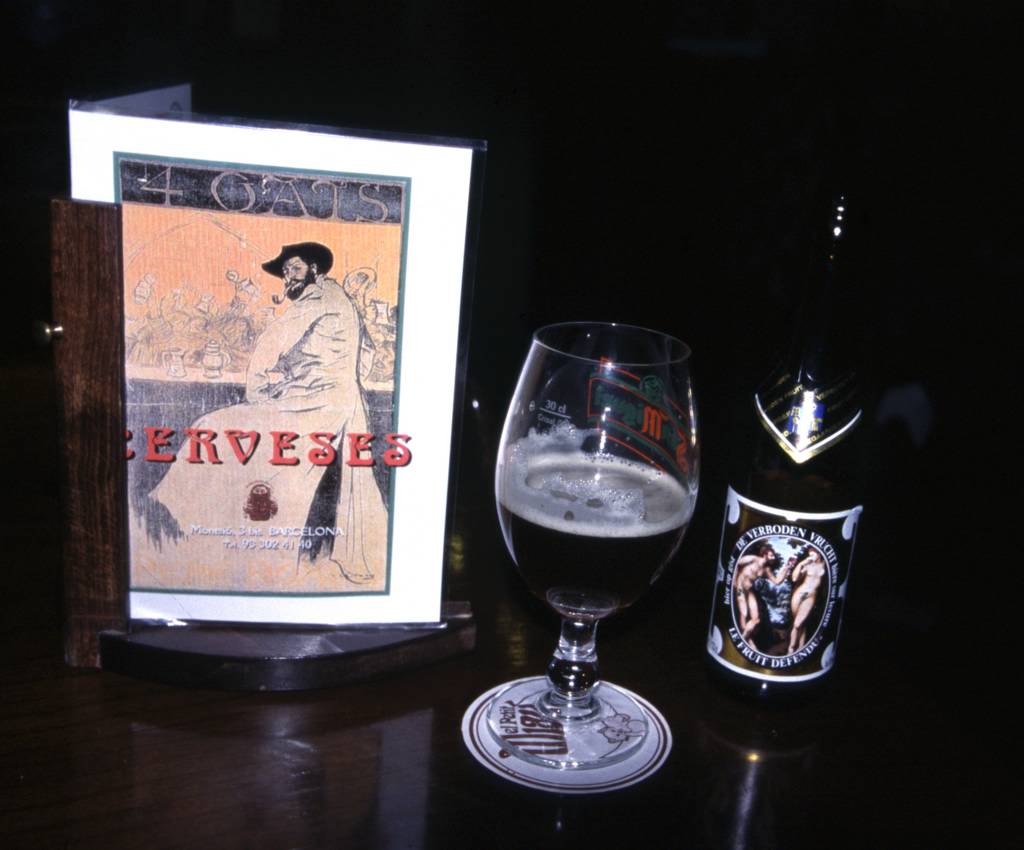
Els Quatre Gats (Cerveseria Modernista), Montsió, 3 bis. 93 302 41 40. Billed as a cerveseria modernista, this colorful, not-to-be-missed, turn-of-the-century bar-restaurant was an artist’s hangout where Picasso had his first exhibition.  (Warning: both management and waiters can be very unwelcoming, if you are not dining in their restaurant.)

Cerveseria 4 Gats, Barcelona.
Gerry Dawes copyright 2008

Cerveseria Gambrinus, La Rambla 140. 93 301 07 70. (See article.)
Related Posts with Thumbnails